Open Daily (Including PH) 10am - 7pm
33 Ubi Ave 3, #01-30 Vertex, S408868
Automated Zip Blinds Singapore: A Practical Guide to Smarter Outdoor Shading

Automated Zip Blinds Singapore: A Practical Guide to Smarter Outdoor Shading
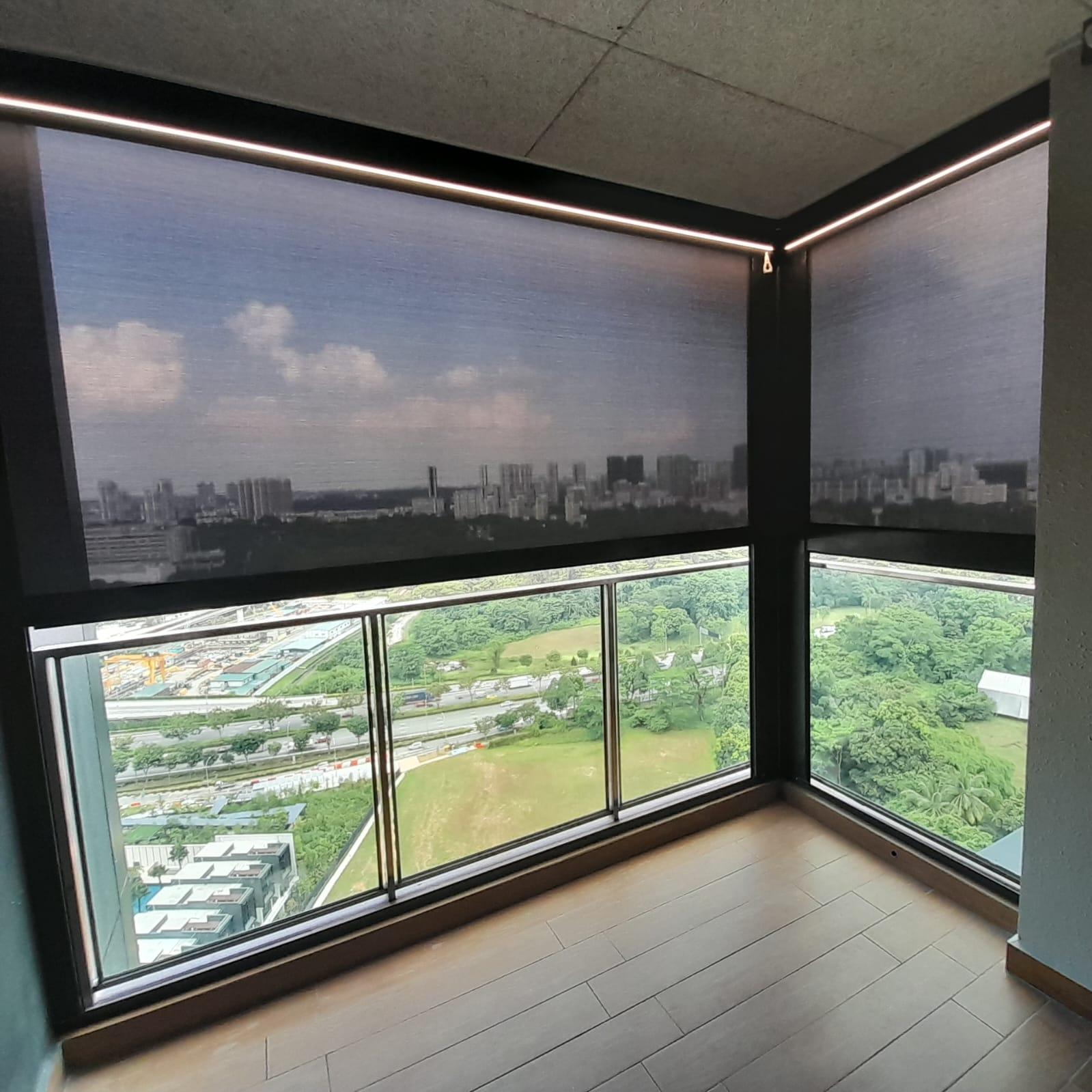
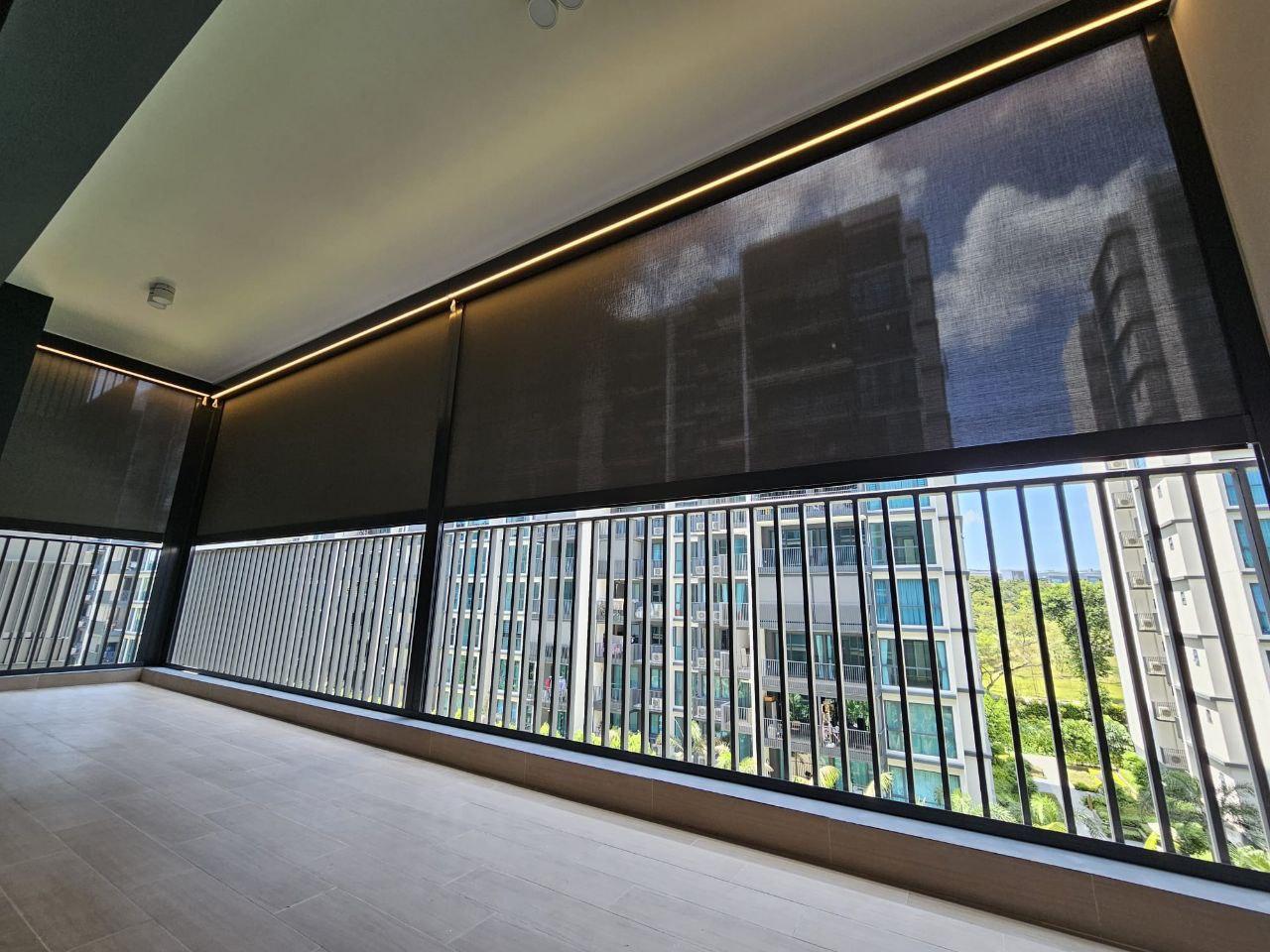
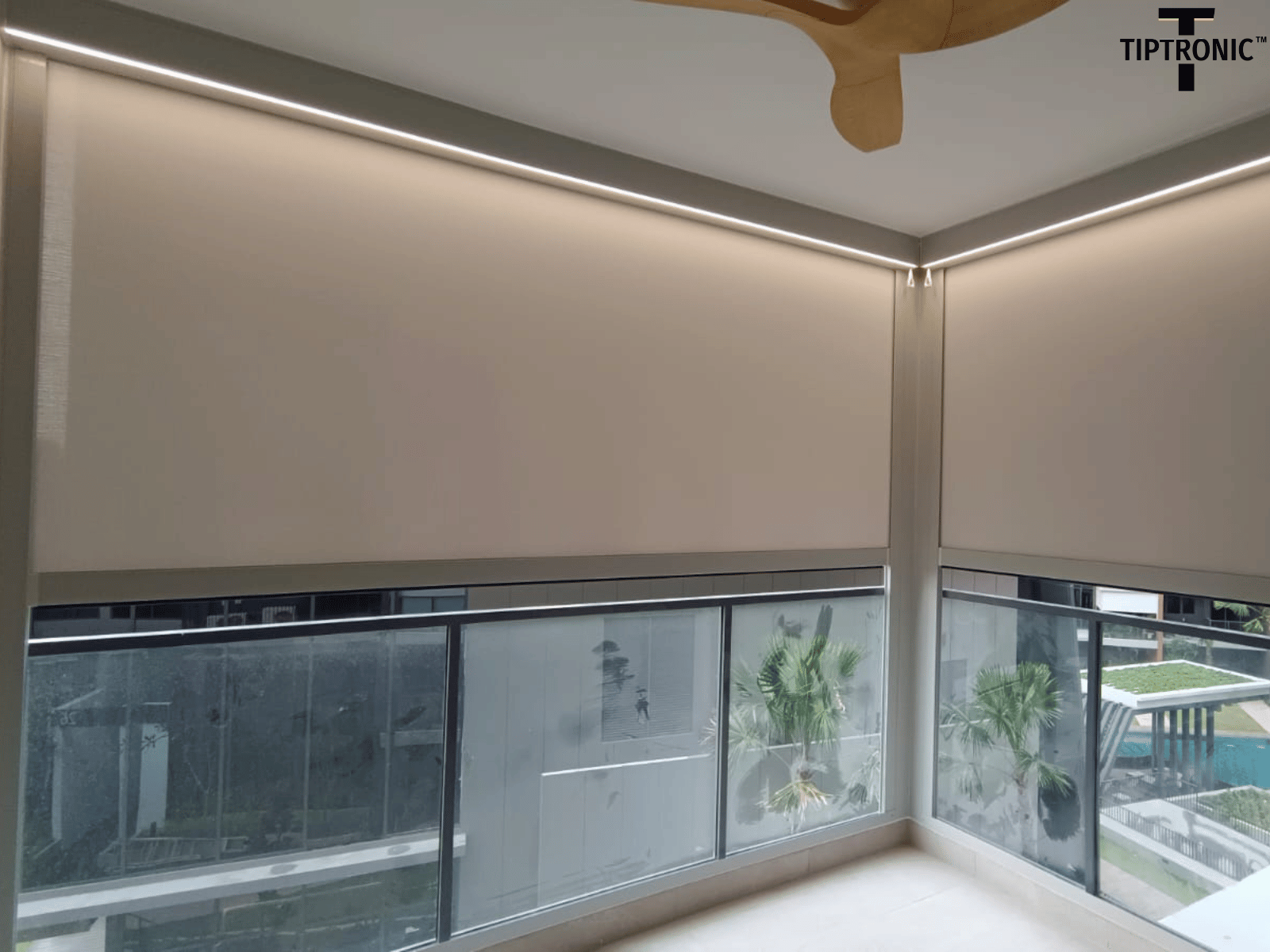
Automated Zip Blinds Singapore homeowners choose are designed to make balconies, patios and outdoor-facing rooms more comfortable without turning daily shading into a chore. Instead of manually raising a large blind before the sun gets too strong or lowering it when rain approaches, a motorised system lets you adjust the screen smoothly at the touch of a control. The result is a more usable living space, better glare control and a neat, tailored finish for modern homes.
Why automated Zip Blinds work well in Singapore homes
Singapore’s heat, strong afternoon sun and sudden showers mean that an open balcony can change from pleasant to impractical very quickly. A zip-guided blind holds the fabric securely within side tracks, creating a cleaner edge than a loose outdoor roller blind. Automation adds an extra layer of convenience: the blind can be lowered before the space heats up, raised for airflow, or adjusted to reduce low-angle glare while preserving the view.
For households that use a balcony as a dining corner, a work nook or a play area, the real benefit is consistency. The shade becomes easy to use every day rather than something that only comes down on especially hot days. It also suits higher or wider openings where a manual operation can feel less convenient.
Choose the right control method before installation
Not every automated system needs to be used in exactly the same way. During planning, think about who will operate the blinds and when. A dedicated remote is simple and familiar. Wall controls keep the operation in a fixed, easy-to-find place. Some homeowners also prefer a connected solution that can be integrated into their daily routine.
- Remote control: practical for individual balconies and straightforward everyday adjustments.
- Wall switch: useful where you want a permanent, visible control point near the door.
- Grouped operation: helpful for several openings that are normally used together.
- Smart-home integration: worth considering when coordinating blinds with lighting, ceiling fans or other home routines.
Discuss the power route early. A tidy motorised installation depends on sensible cable routing, accessible controls and a clear plan for the motor position. That is why a site assessment should happen before fabric colour or control preferences are finalised.

Fabric, tracks and opening size matter as much as the motor
Automation is only one part of a well-performing outdoor blind. The screen fabric determines how much light, heat and daytime visibility are filtered. A more open weave can maintain an outward view while softening glare; a denser option may be preferable where privacy or stronger shading is the priority. The guide tracks, bottom bar and mounting surface all need to match the actual opening.
Measure the usable width and height, note whether the area is fully sheltered, and check for handrails, ledges, air-conditioning units or uneven walls. For large openings, the installer may recommend dividing the span into separate blinds so the result remains stable, proportionate and easy to service. You can also explore wide-span Ziptrack solutions when a standard-width blind is not the right fit.

Where an automated blind adds the most value
Motorised Zip Blinds are especially useful in spaces that are used at different times of day. East-facing balconies can benefit from early-morning glare control, while west-facing homes often need dependable protection later in the afternoon. In a condo, the system can help make the outdoor area feel more like an extension of the living room. For landed homes, it can shade patio openings and alfresco zones without permanently closing them in.
If insects are also a concern, a paired or dual-screen concept may offer a more flexible setup. See how dual Zip Blinds with mesh can combine outdoor shading with a separate insect-screen option.
Installation and maintenance tips
Before installation day, clear furniture away from the work area and make sure the installer can inspect the fixing surfaces. After installation, test the full travel of each blind and confirm that the stop positions and controls suit the way you use the space. Ask where the motor and any manual override are located.
To keep the system looking its best, brush away loose dust, rinse the fabric gently when needed and avoid forcing the blind if there is an obstruction in the tracks. Regular visual checks of the fabric edge, guides and bottom bar can catch small issues early. Professional servicing is a sensible choice if operation becomes uneven, noisy or slower than usual.
Plan your automated Zip Blind with confidence
The best Automated Zip Blinds Singapore installation starts with the real conditions of your home: sun direction, opening size, shelter, power access and how you want to use the area. A good recommendation should explain the fabric, track layout and control option—not only the motor. For a site assessment or product discussion, contact SmartZip and share photos and approximate measurements of your balcony or outdoor opening.