Open Daily (Including PH) 10am - 7pm
33 Ubi Ave 3, #01-30 Vertex, S408868
Hotel Blind Singapore: Outdoor Shading for Guest Comfort and Operations

Hotel Blind Singapore: Outdoor Shading for Guest Comfort and Operations
A Hotel Blind Singapore project must balance guest comfort, architectural appearance and reliable daily operation. Outdoor blinds can help manage glare, heat and light rain at restaurants, rooftop terraces, poolside lounges and guest-room balconies. The right specification should also support housekeeping, maintenance and the visual standards of the property.

Start with the guest experience
Shading should make an outdoor area more usable without making it feel enclosed. Restaurants may need low-angle sun protection during breakfast or sunset service. Poolside spaces may prioritise glare reduction while maintaining an open view. Guest-room balconies require a clean appearance, straightforward controls and sensible privacy.
Map how each area is used throughout the day. This helps determine where independent panels, different fabrics or grouped motor controls are needed. A solution for a quiet balcony may not be suitable for a busy food-and-beverage terrace with frequent staff movement.
Plan for large openings and consistent appearance
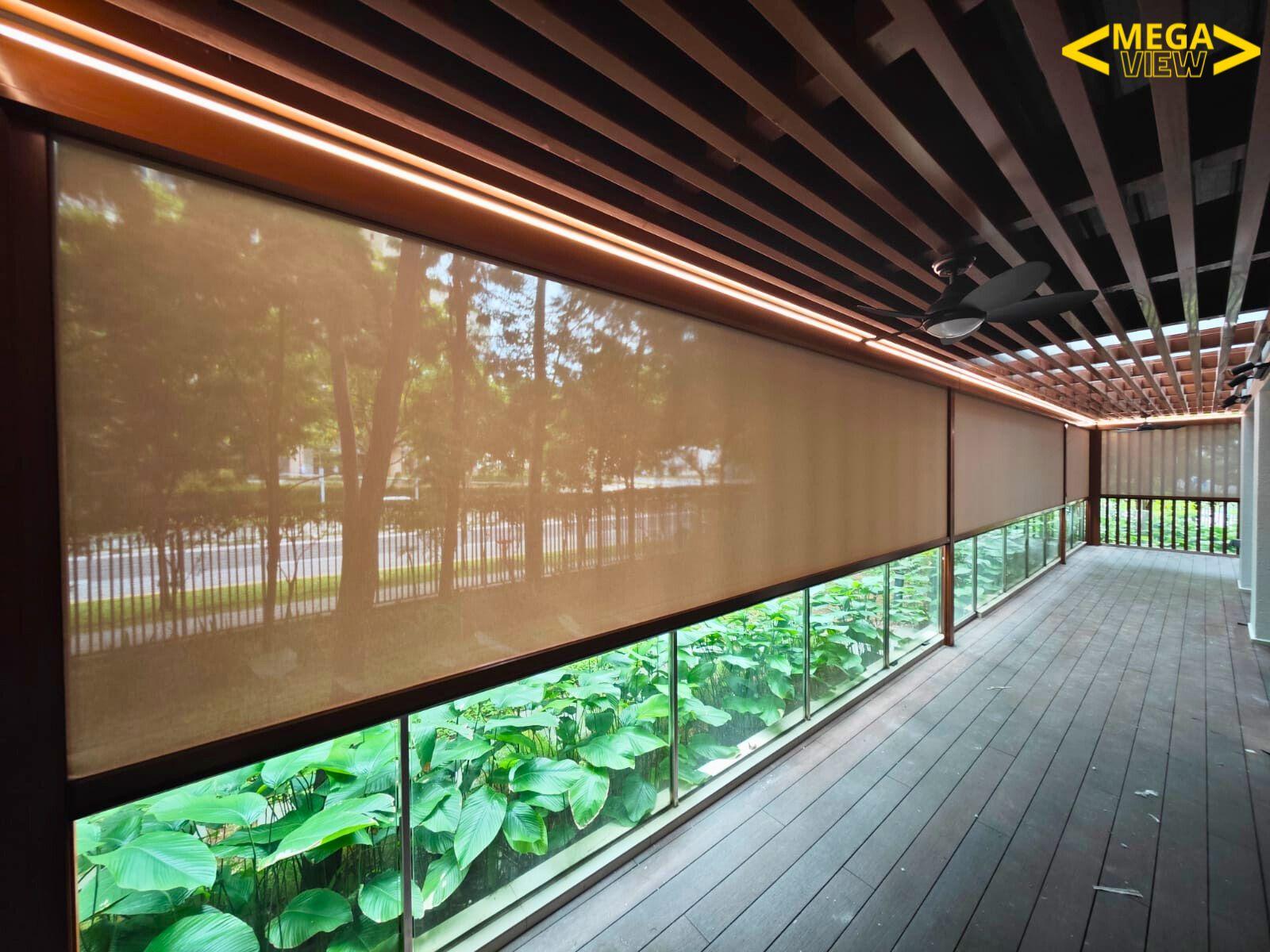
Hotels often have repeated openings or long façades. Accurate site measurement is essential because structural columns, ceiling levels, signage, lighting, sprinklers and drainage can affect track placement. A sample installation can be useful before a large rollout, allowing the property team to approve the fabric, colour and operating method.
For panoramic spaces, consider whether one purpose-designed wide-span system or several coordinated panels will provide better flexibility. SmartZip’s Higher View Ziptrack solutions offer a useful reference for substantial openings.
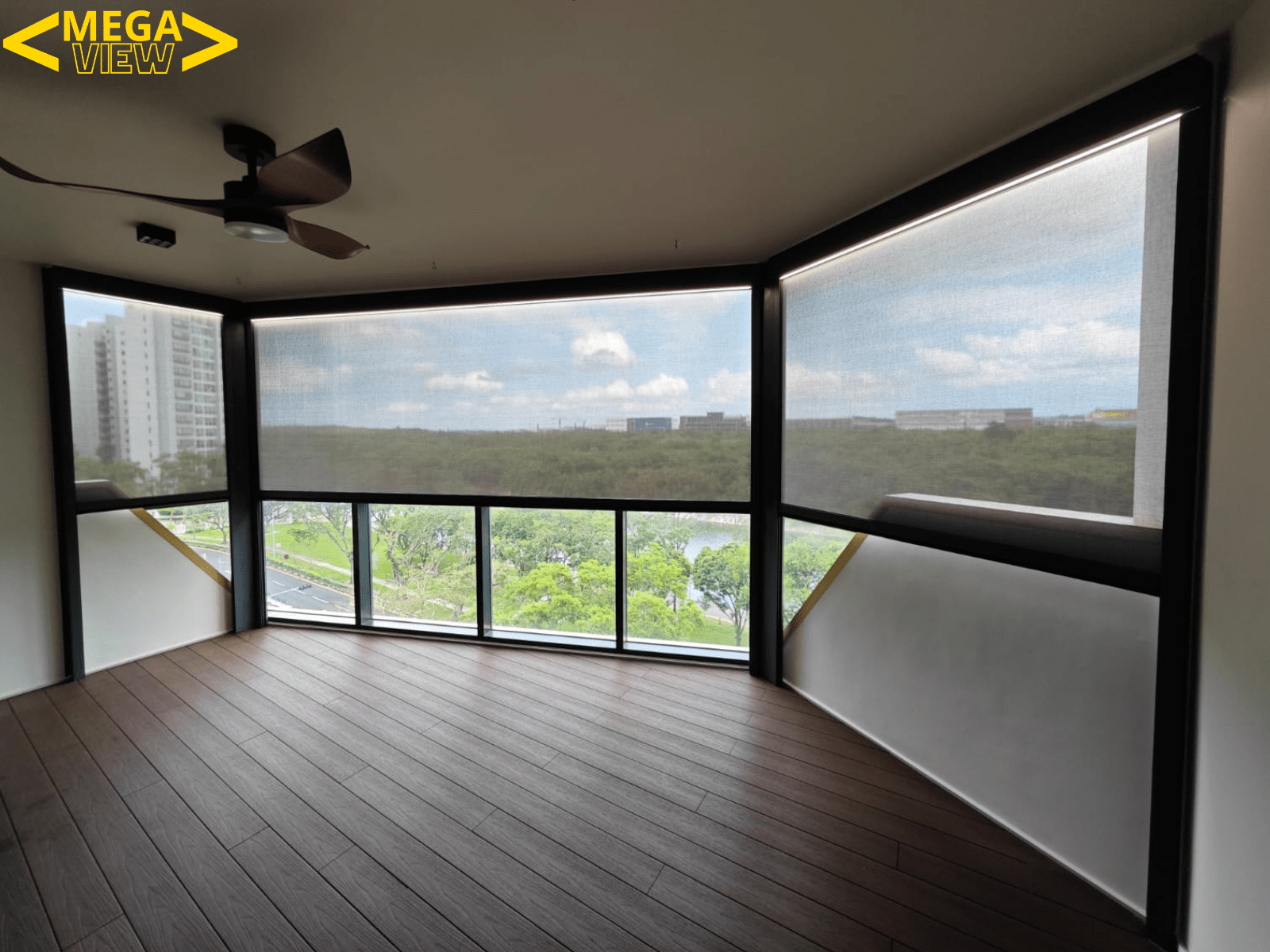
Fabric selection for hospitality spaces
Fabric affects heat, glare, privacy and the guest’s outward view. An open-weave screen may suit a restaurant or lounge where the landscape is part of the experience. A denser option can provide stronger shade or privacy in selected areas. Samples should be evaluated under the actual lighting conditions and alongside the property’s finishes.
- Consider sun direction at peak operating hours.
- Confirm daytime and evening visibility.
- Choose colours consistent with the façade and brand.
- Assess cleaning requirements and replacement availability.
- Use a consistent specification for repeated openings where practical.
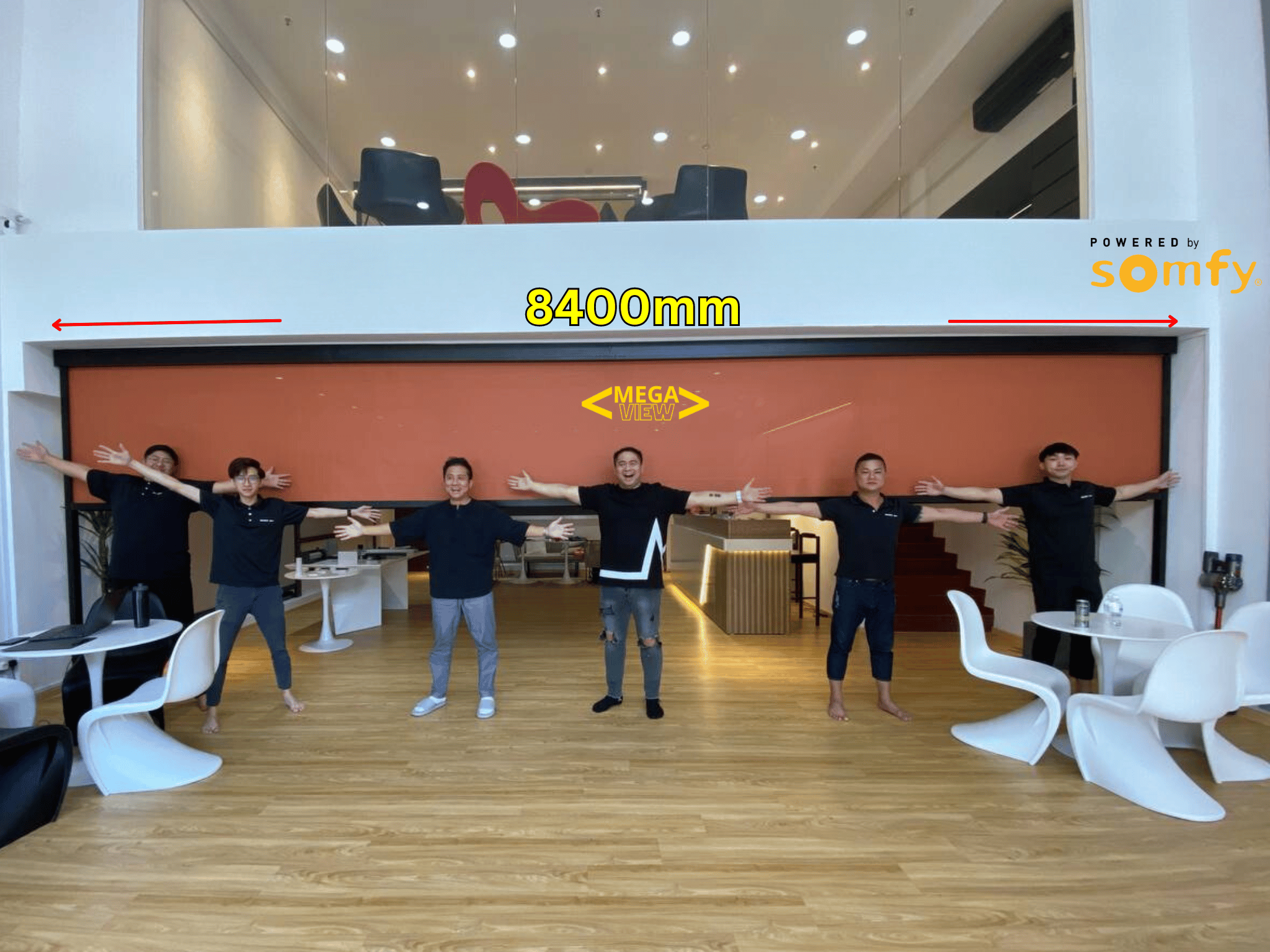
Motorisation and operational control
Motorised blinds are often practical in hotels because staff can adjust large screens quickly and consistently. Controls may be local to each zone or grouped for a terrace. The property team should decide who is authorised to operate the blinds and how the system responds during rain or strong wind.
Plan electrical routes, control locations and access to motors before installation. Controls should be intuitive for staff while remaining unobtrusive to guests. Ask about travel limits, manual override and what happens during a power interruption.
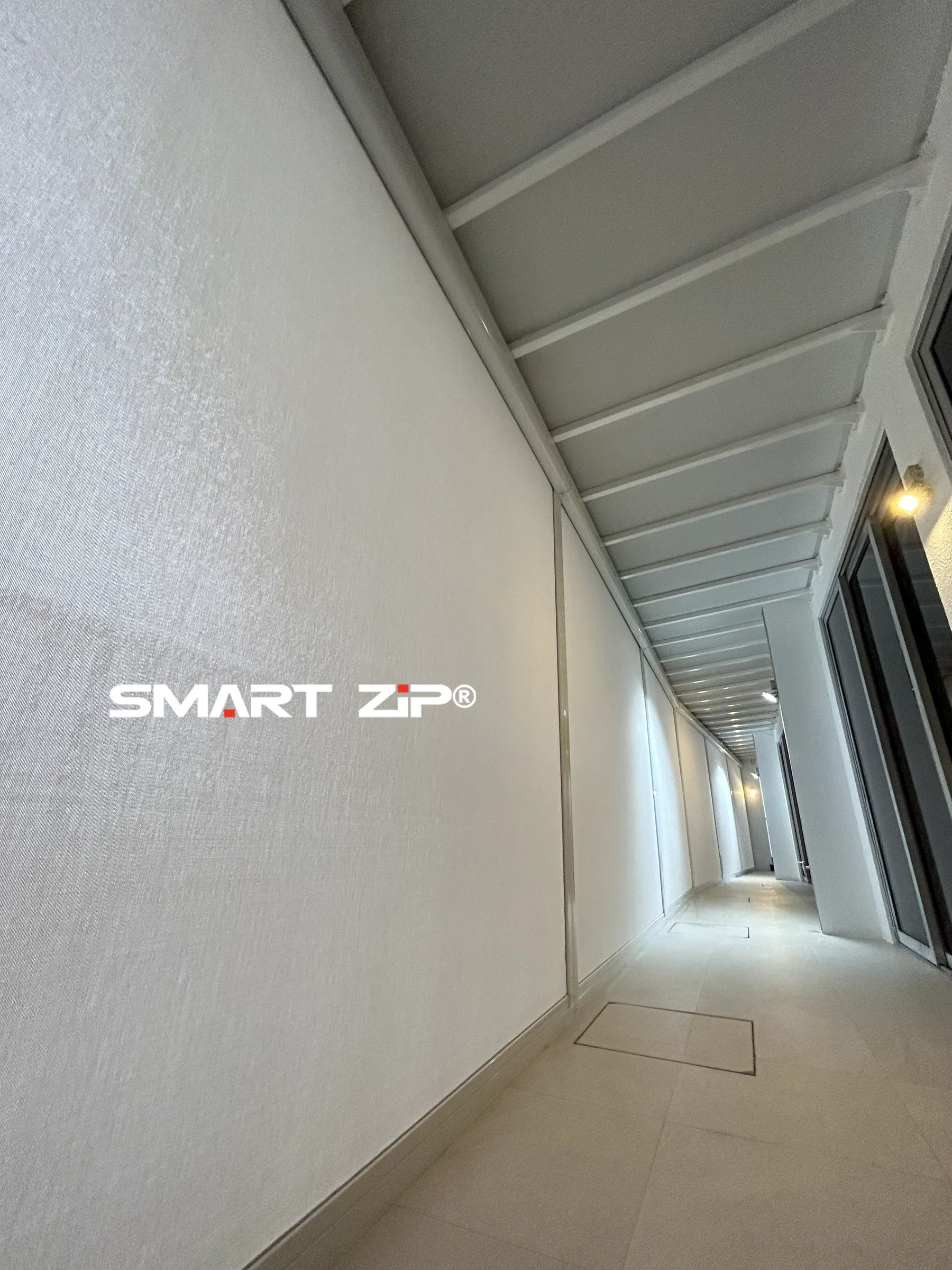
Installation scheduling and safety
Hospitality projects require careful coordination. Installation may need to occur outside guest hours, around events or in phases. Confirm loading access, work permits, protection of floors and furniture, and any work-at-height requirements. A clear schedule reduces disruption to operations.
At handover, test every blind, label controls and provide staff training. The property should retain product information, operating guidance and service contacts. For outdoor dining areas where insects are also a concern, review dual Zip Blinds with mesh.
Coordination with hotel departments
A hotel blind project often involves more than the facilities team. Operations staff can explain peak service hours and guest-flow requirements, while housekeeping can advise on cleaning access. The design team may need to approve colour, headbox visibility and alignment with the façade. Security and safety teams should review control access, emergency procedures and work-at-height arrangements.
For restaurants and event spaces, the blind layout should support different seating plans. Staff should be able to shade one zone without unnecessarily closing the entire terrace. Controls can be labelled by area, and grouped commands should be tested before handover. A brief operating guide kept at the host station or facilities office reduces mistakes when team members change.
Budgeting and evaluating proposals
Hotel quotations should be compared on scope rather than on a single total price. Check the measured sizes, number of panels, fabric specification, motor and control system, electrical work, access equipment, installation timing and warranty. Ask whether the proposal includes training, commissioning and post-installation adjustments.
Lifecycle cost matters for a property that operates every day. Readily available service support, replaceable components and a consistent fabric range can be more valuable than the lowest initial quotation. For a phased project, record the approved specification so later stages match the first installation.
Maintenance and lifecycle planning
Tracks should be kept clear, fabric cleaned using approved methods and unusual noise or uneven movement reported early. A preventive maintenance schedule is valuable for multiple motorised units because it reduces unexpected downtime during busy periods. Keep an inventory of control devices and record any programming changes.
A strong Hotel Blind Singapore proposal should include site-specific drawings, material samples, control logic and a realistic maintenance plan. To discuss a hotel, resort or serviced-apartment project, contact SmartZip with photographs, approximate dimensions and operating requirements.