Open Daily (Including PH) 10am - 7pm
33 Ubi Ave 3, #01-30 Vertex, S408868
Rain Sensor Blind: Smarter Outdoor Shading for Singapore Weather

Rain Sensor Blind: Smarter Outdoor Shading for Singapore Weather
A Rain Sensor Blind can make a motorised outdoor shading system more responsive to Singapore’s fast-changing weather. Bright sun can turn into a heavy shower within minutes, especially during the monsoon seasons. When the sensor, motor, tracks and controls are planned as one system, homeowners can manage a balcony or patio more conveniently while still retaining manual control when needed.
How a Rain Sensor Blind system works
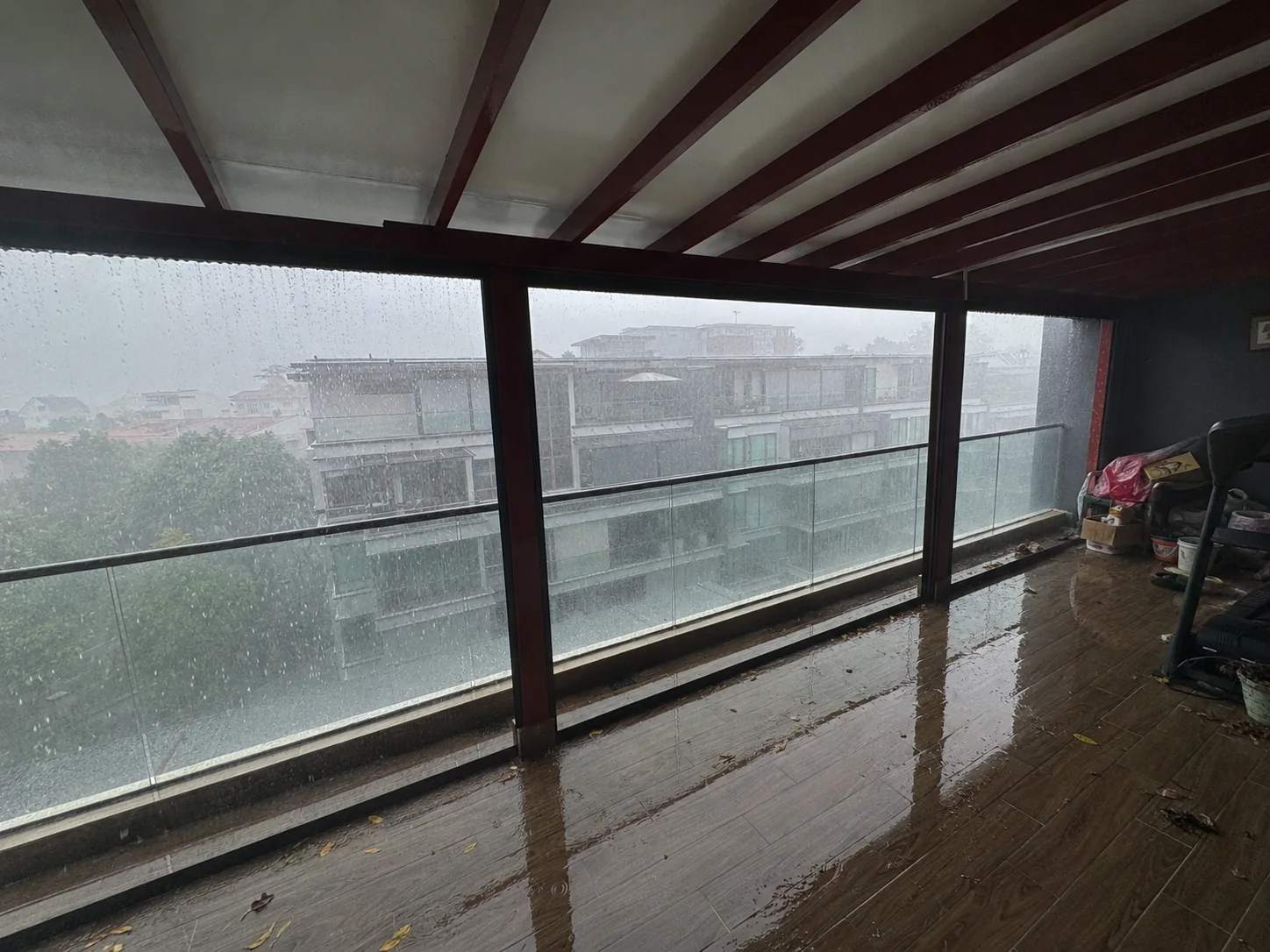
A rain sensor detects moisture and sends a signal to the motor-control system. Depending on the chosen configuration and programming, the blind can move to a predetermined position or notify the homeowner that weather conditions have changed. The exact behaviour should always be confirmed before installation because different motors, control hubs and sensors may support different functions.
The sensor should support everyday convenience rather than replace sensible supervision. Outdoor conditions can vary across the same building, and strong winds may require a different response from light rain. A professional installer should explain the system’s operating limits, manual override and recommended actions during severe weather.
Why sensor placement matters
A sensor must be positioned where it can detect real outdoor rainfall without being constantly triggered by cleaning water, air-conditioning discharge or a highly sheltered corner. The installer should also consider access for future cleaning and testing. A device that is difficult to reach may be neglected, while one mounted in the wrong location may not represent the weather affecting the blind.
- Check that the sensor has an open path to rainfall.
- Keep it away from drainage outlets and routine washing areas.
- Confirm the signal can reliably reach the control unit.
- Ask how to test the sensor after installation.
- Record the programmed response and manual override method.

Tracks and fabric still determine performance
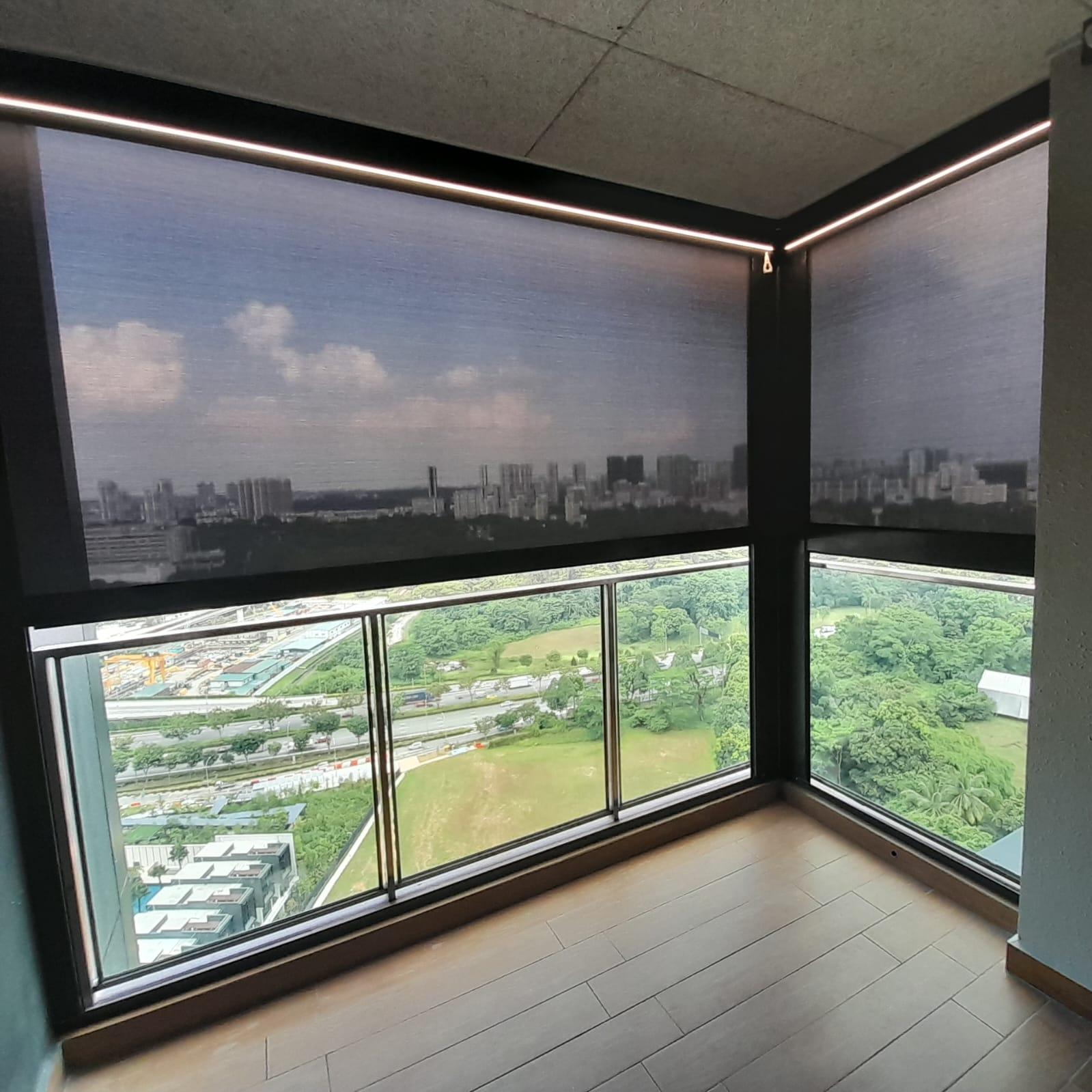
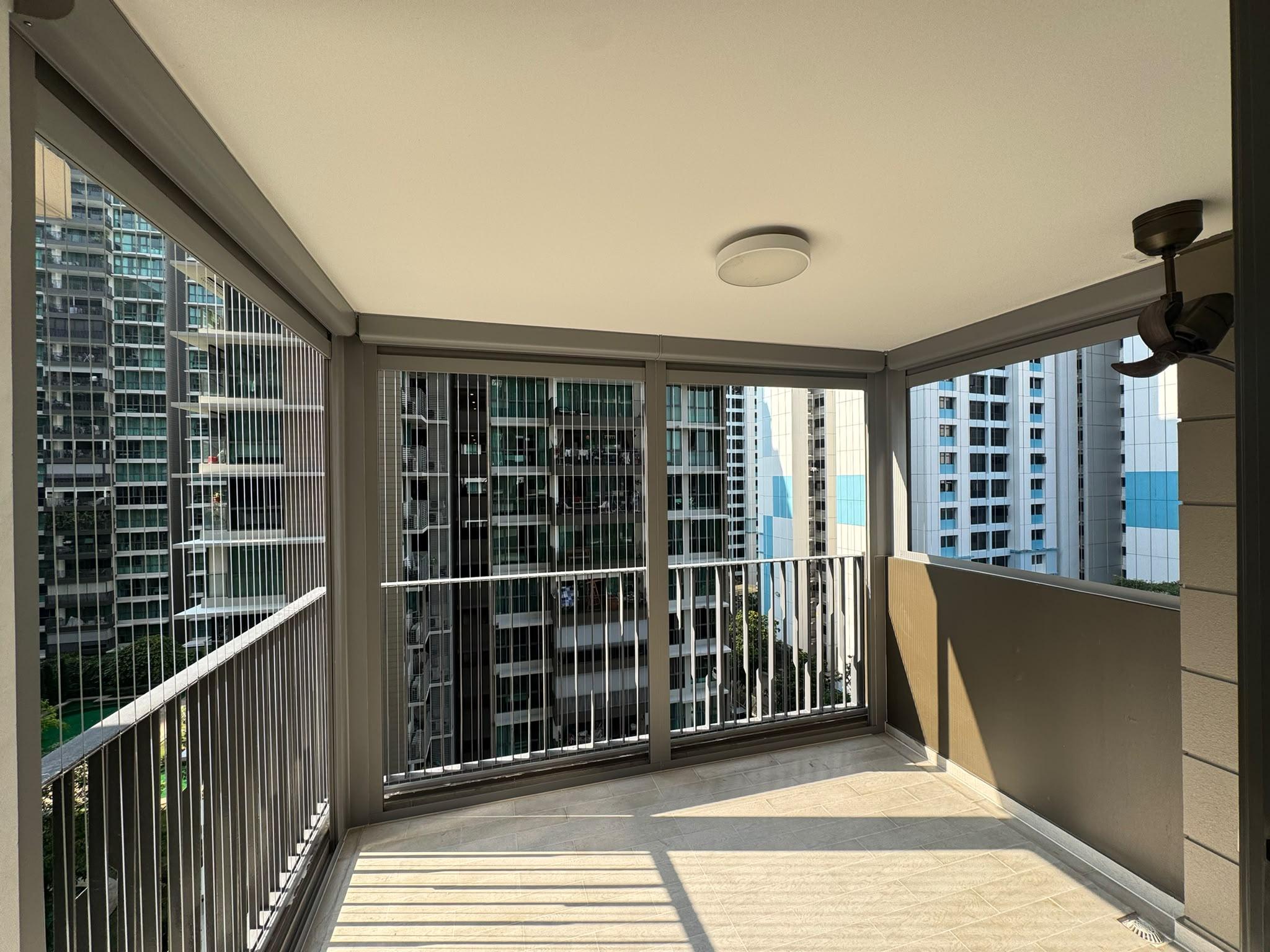
Automation is only one part of an outdoor blind. The opening must be measured accurately, and the headbox and side tracks need suitable fixing surfaces. Zip-guided tracks help keep the fabric edges controlled as the screen moves. The bottom bar, roller and motor should all be selected for the actual width, height and exposure of the opening.
Fabric choice affects glare, privacy and outward visibility. An open-weave screen can soften sunlight while maintaining a daytime view, whereas a denser fabric may provide stronger shade. No outdoor screen should be described as a completely watertight wall; rain protection depends on exposure, wind direction, surrounding structure and installation details.
For especially large openings, review SmartZip’s Higher View Ziptrack solutions before deciding on a standard configuration.
Planning controls for daily use
Homeowners should decide how the automated response fits their routine. A remote provides straightforward individual control, while a wall switch creates a fixed operating point near the balcony door. Connected controls may allow schedules or app-based operation, subject to the equipment selected.
Ask what happens after the sensor is triggered. Does the blind move automatically, stop at a preset height or require confirmation? Can the response be temporarily disabled during cleaning? Will the system still work if the home internet connection is unavailable? Clear answers prevent surprises and help every household member operate the blind confidently.
Condo approval, installation and maintenance
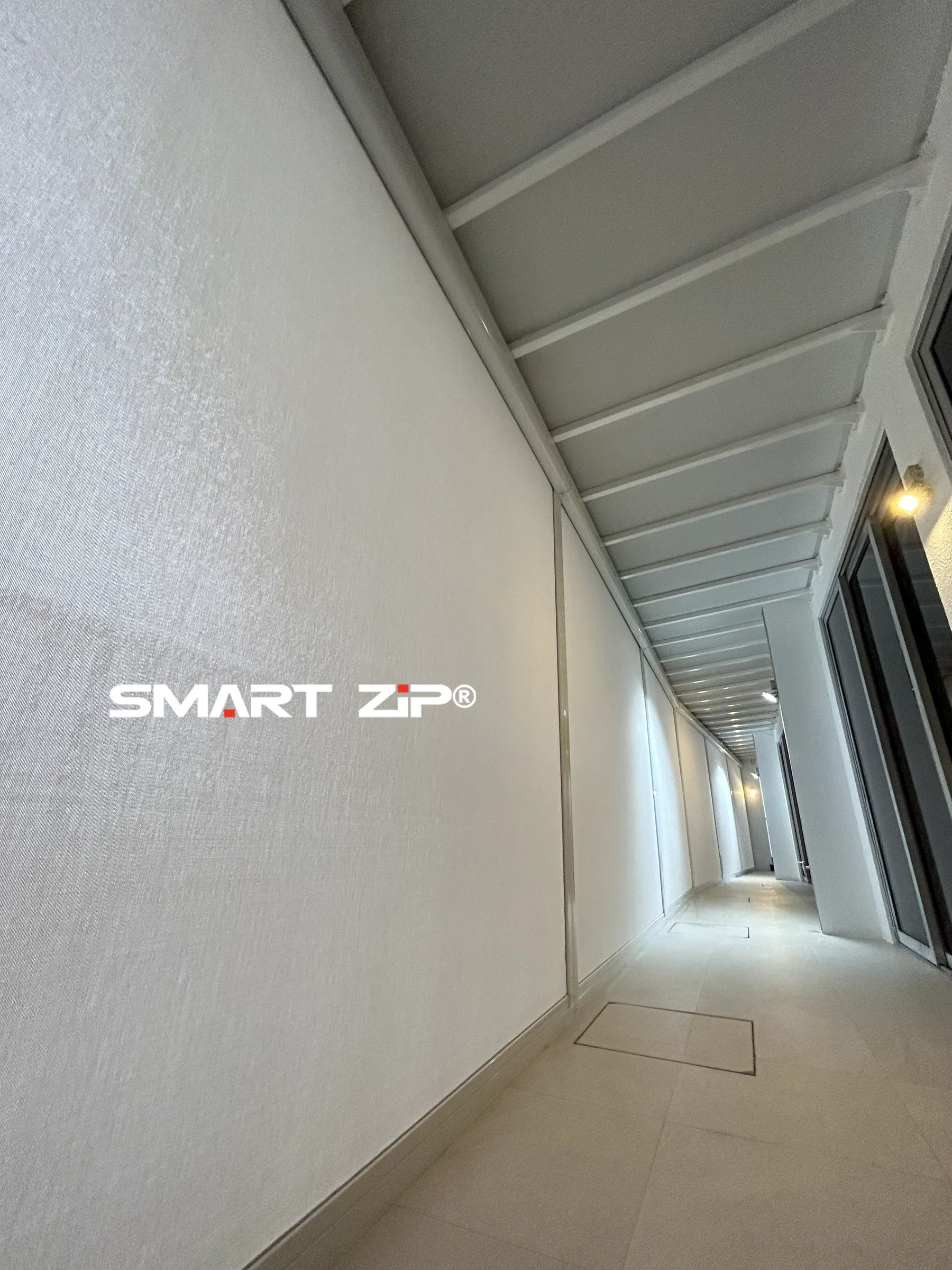
Condominium owners should check MCST requirements before installation. Management may request information about the visible fabric colour, track placement, electrical work and contractor access. Providing photographs, measurements and a clear proposal early can reduce approval delays.
After installation, test both manual control and the sensor response. Keep tracks clear of leaves and grit, clean the sensor according to its instructions, and inspect the fabric after severe weather. If the blind becomes uneven, noisy or unreliable, stop forcing it and arrange professional servicing.
If you also need insect protection, compare dual Zip Blinds with mesh. The two-screen concept can separate shading from insect control, depending on the available installation space.
Questions to ask before choosing a rain sensor
Before confirming the system, ask whether the sensor is wired or wireless, how it communicates with the motor and whether it requires a separate control hub. Confirm how quickly it reacts after moisture is detected and whether the response can be adjusted. It is also useful to know how the system behaves after the sensor dries: some configurations may return automatically, while others require the user to operate the blind.
Ask who will maintain the sensor and how often it should be tested. Coastal air, dust and residue can affect exposed equipment, so periodic cleaning is important. The installer should demonstrate a safe test method and explain any indicator lights or error signals.
Practical checklist
- Confirm compatibility between sensor, motor and controls.
- Choose a location that receives representative rainfall.
- Understand the programmed response and override.
- Test the system during handover.
- Keep operating instructions accessible to the household.
Is a Rain Sensor Blind right for your home?
A Rain Sensor Blind is most useful when the balcony is frequently used, the weather changes quickly and motorised operation is already appropriate for the opening. The recommendation should be based on the sensor’s placement, the motor-control compatibility and the physical blind system—not on automation alone.
To discuss a suitable configuration, contact SmartZip with balcony photographs, approximate measurements and details of your preferred control method.