Open Daily (Including PH) 10am - 7pm
33 Ubi Ave 3, #01-30 Vertex, S408868
Soundproof Blinds Singapore: What They Can and Cannot Do

Soundproof Blinds Singapore: What They Can and Cannot Do
Soundproof Blinds is best planned around the actual opening, sun exposure and daily use of the space. Rather than choosing only by appearance, homeowners and project teams should consider the fixing surface, screen fabric, track layout and the level of convenience required. This guide explains the practical decisions that support a durable and well-integrated result.
Start with a site-specific assessment
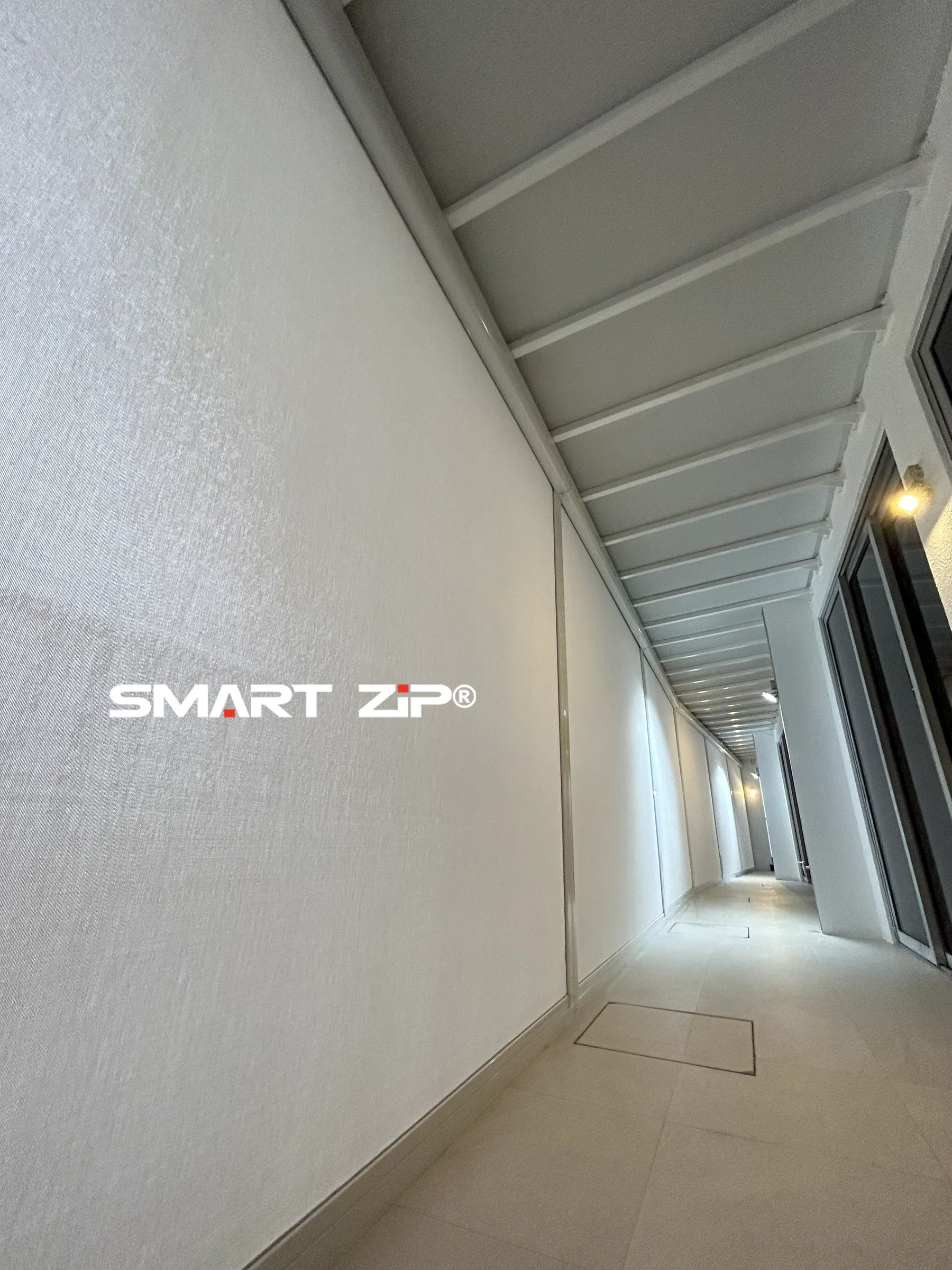
A clear site assessment records dimensions, ceiling and wall condition, handrails, lighting, drainage, access and nearby obstructions. These details determine whether one screen or multiple panels will work best. It also helps avoid a proposal that looks suitable on paper but cannot be installed neatly at the opening.
Key decisions for Soundproof Blinds
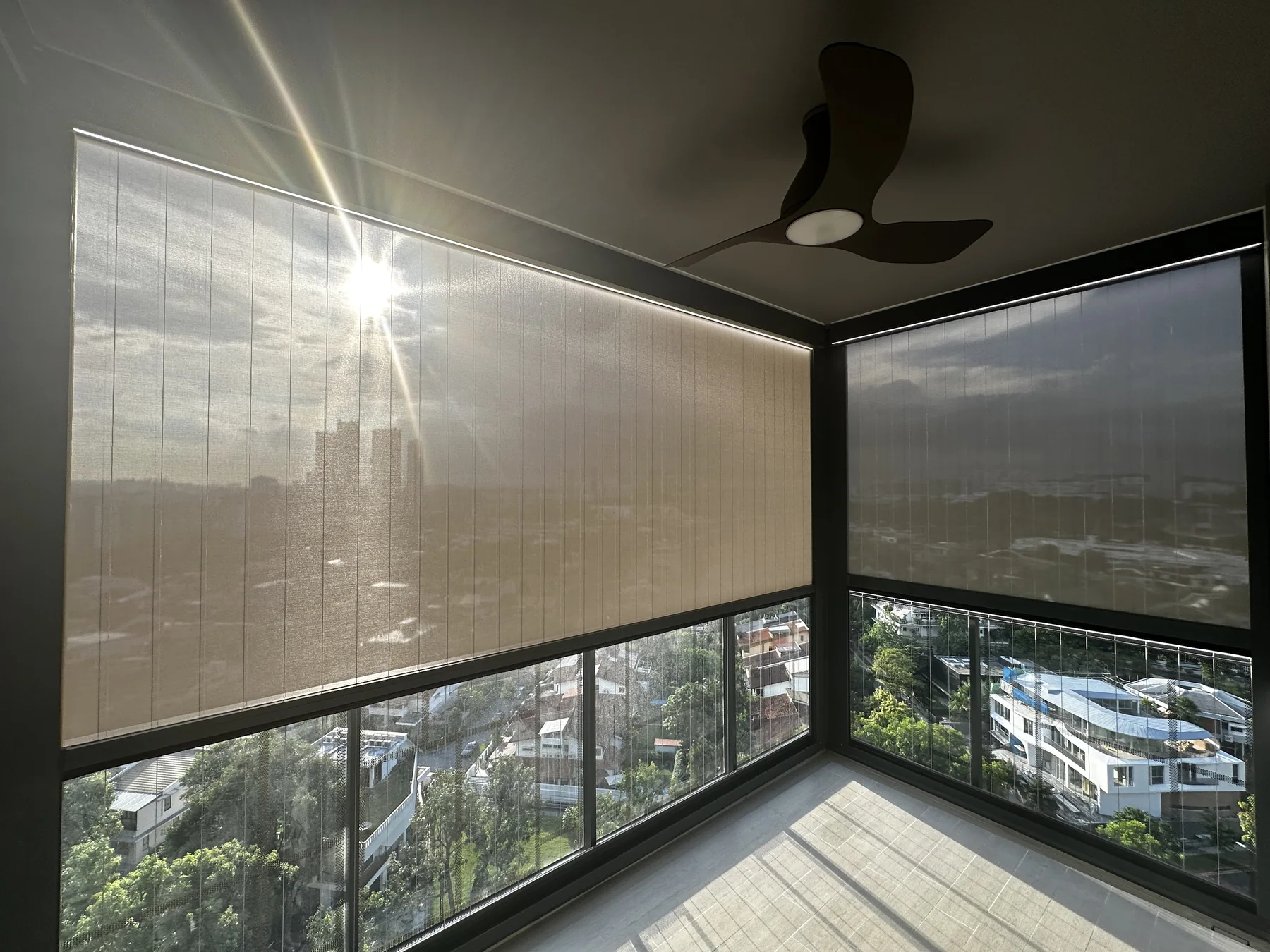
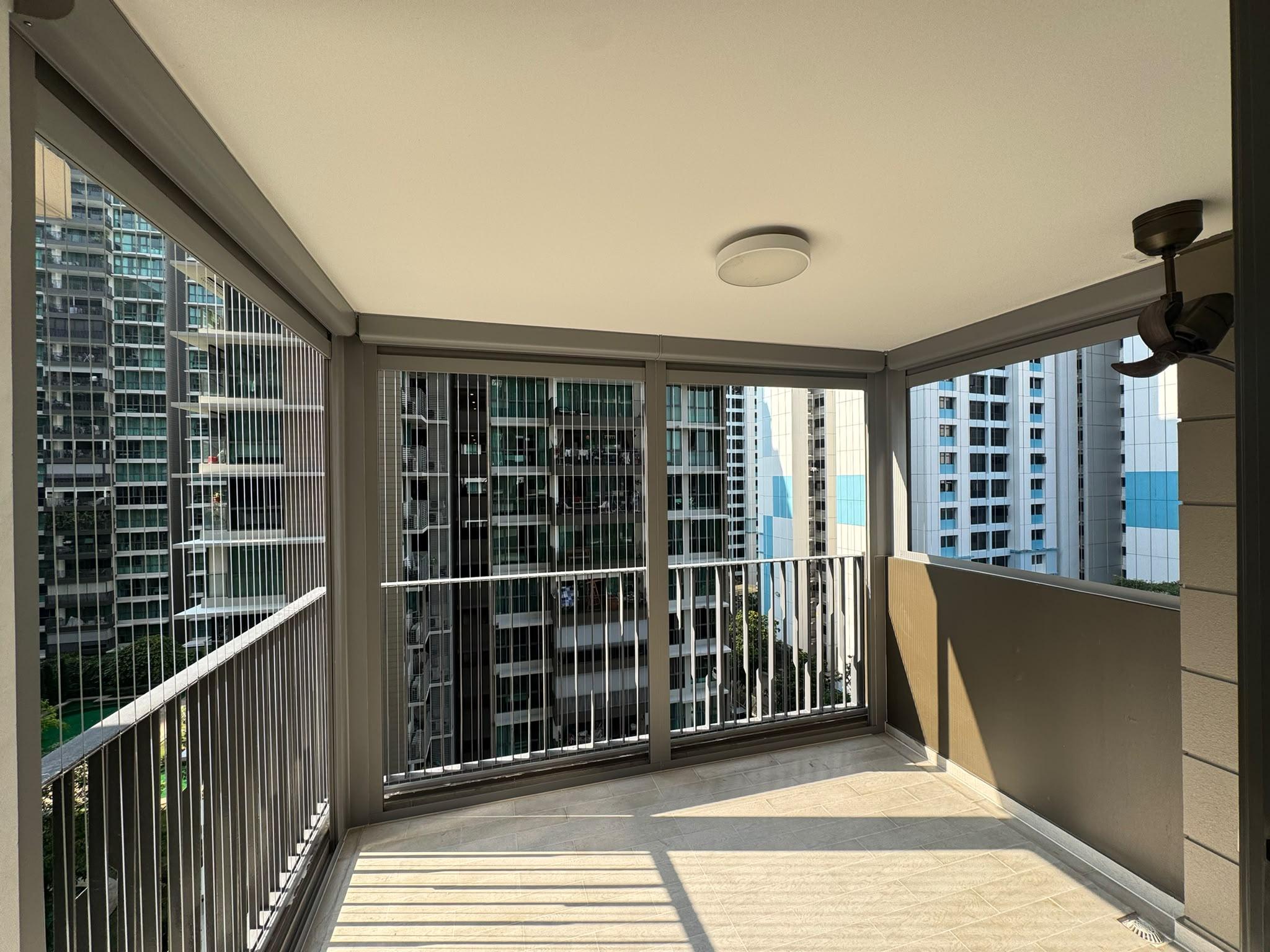
Focus on noise comfort, balcony layout and realistic expectations. Fabric should be considered in the real light conditions: an open weave can retain a daytime view and soften glare, while a denser option can provide more privacy and shade. For a wide or frequently used screen, motorisation can make adjustment much easier.
Installation, use and maintenance
A professional installation aligns the tracks, secures the headbox and tests the full travel of the screen. At handover, confirm the operating method and cleaning guidance. Keep tracks free of loose debris and do not force the screen against furniture or another obstruction. Arrange service if movement becomes noisy or uneven.
Consider related outdoor-screen options
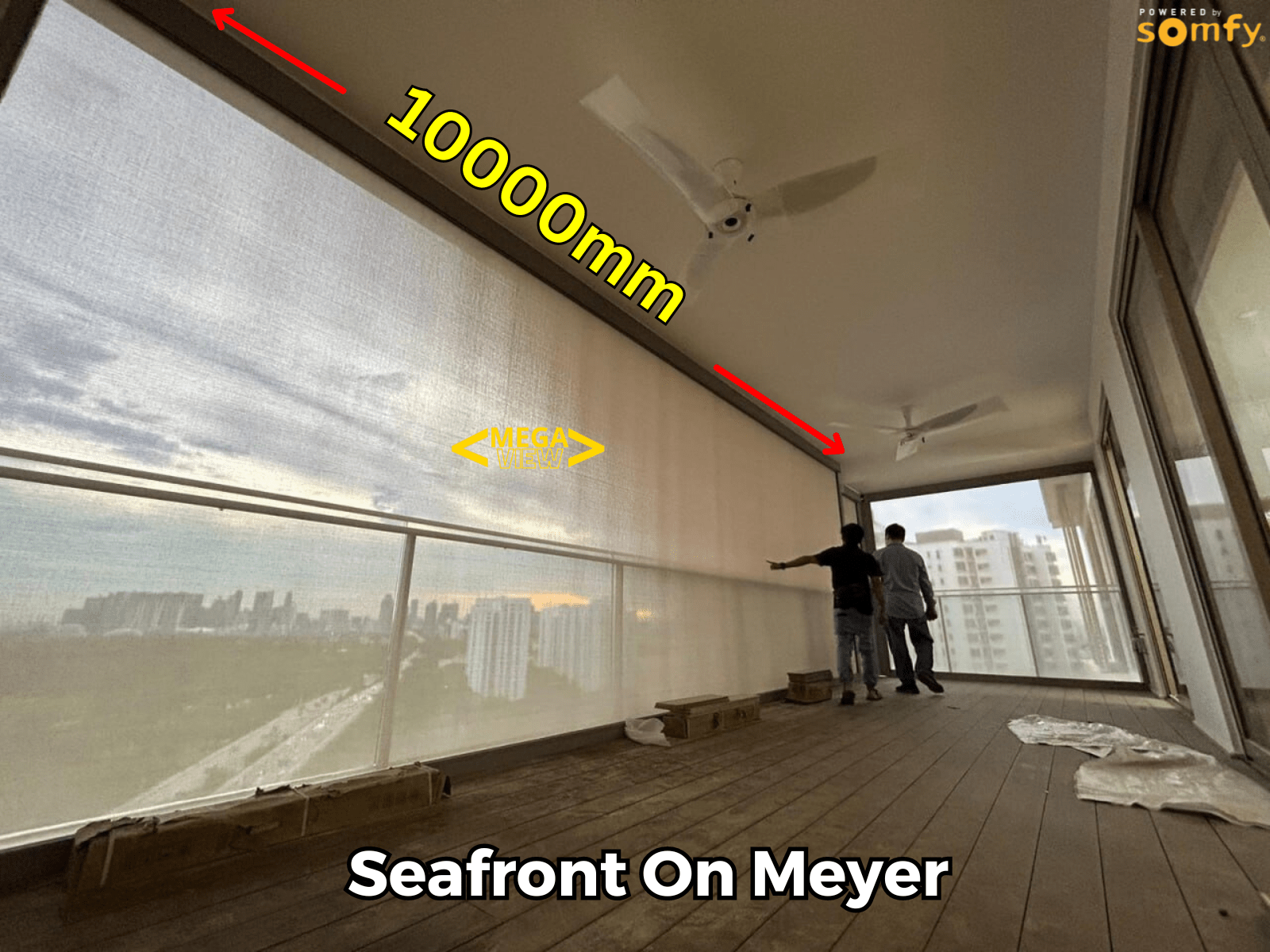
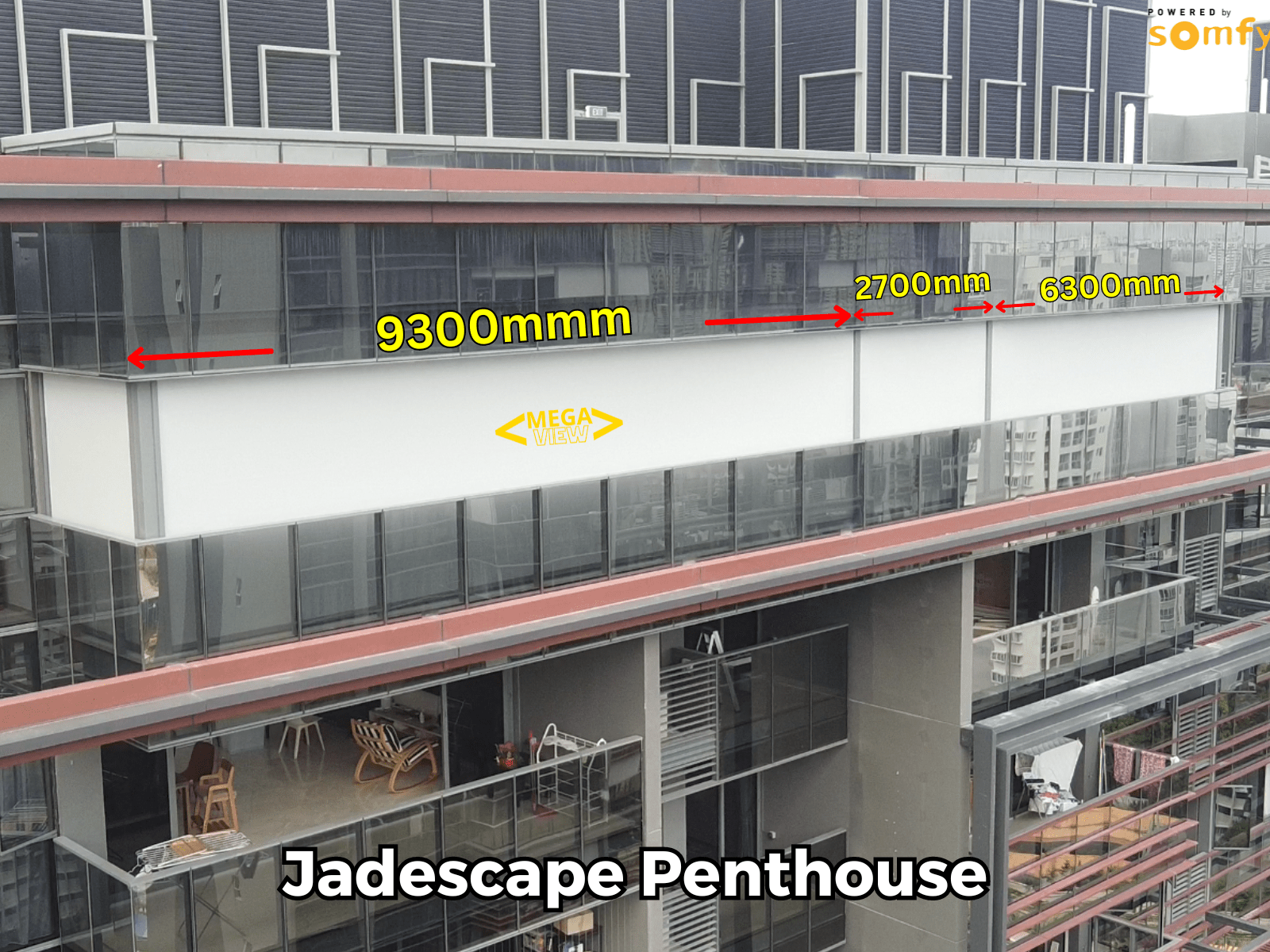
For substantial openings, see Higher View Ziptrack solutions. If a separate insect screen is useful, compare dual Zip Blinds with mesh. For a recommendation based on your own opening, contact SmartZip with photos and approximate measurements.
Can blinds really soundproof a balcony?
The term “soundproof” is often used loosely. A blind can help soften certain sounds, but it cannot create the same acoustic isolation as a sealed wall, laminated acoustic glass or a purpose-built enclosure. Outdoor Zip Blinds have tracks, fabric and necessary operating clearances, so sound can still travel around the system and through the surrounding structure.
Results depend on the noise source and the existing balcony. Continuous road noise, voices from a nearby pool and short impact sounds behave differently. A screen may make the space feel calmer by reducing wind and high-frequency noise, but homeowners should not expect silence.
What affects perceived noise reduction?
Gaps are important. Sound follows open paths, including the space above or below a screen, side junctions, doors and ventilation openings. The mass and density of the material also matter: light mesh is designed for airflow and visibility, not acoustic isolation. The balcony’s concrete surfaces can reflect sound, while soft furnishings may reduce echo inside the space.
- Distance and direction of the noise source.
- Whether the balcony is recessed or fully exposed.
- Open gaps around doors, railings and tracks.
- Fabric density and the number of layers.
- Hard surfaces that reflect sound into the home.
Practical ways to improve acoustic comfort
Begin by identifying where noise enters. Close the balcony door and listen near the frame, seals and ventilation openings. Worn door seals may contribute more to indoor noise than the outdoor blind. Curtains inside the room, rugs and upholstered furniture can reduce echo, while plants and soft balcony furnishings may slightly change the perceived sound environment.
If noise is a serious sleep or health concern, consult an acoustic specialist before purchasing blinds. The specialist can measure the dominant frequencies and recommend solutions such as improved glazing, door seals or construction changes. Outdoor blinds can then be considered as one part of a broader comfort strategy.
Choosing a blind when noise is one concern
Select the blind primarily for shade, privacy, weather management and usability. A denser fabric may feel more substantial than an open mesh, but it also changes airflow and outward visibility. Review samples at the balcony and discuss the site’s wind exposure. Motorised operation may be convenient for wide openings, while separate panels allow only the noisy or sun-exposed section to be lowered.
Questions to ask a supplier
Ask for a clear explanation of what the product can and cannot achieve. Avoid relying on an unsupported decibel claim that does not specify the test method, installation and frequency range. Confirm the fabric, panel divisions, mounting details and weather guidance. A responsible quotation should focus on measurable product functions and realistic expectations.
For large openings, review Higher View Ziptrack solutions. To discuss shading and outdoor comfort at your property, contact SmartZip with photographs and approximate measurements.
Setting a realistic project goal
Define success before requesting a quotation. If the goal is to reduce afternoon glare and make conversations on the balcony more comfortable, a Zip Blind may be appropriate. If the goal is to prevent traffic noise from entering a bedroom at night, glazing and door sealing are likely to be more important. Writing down the main noise source, time of day and affected room helps the supplier recommend responsibly.