Open Daily (Including PH) 10am - 7pm
33 Ubi Ave 3, #01-30 Vertex, S408868
Condo Balcony Blinds: How to Choose the Right Outdoor Screen

Condo Balcony Blinds: How to Choose the Right Outdoor Screen
Condo Balcony Blinds help apartment owners manage sun, privacy and rain while keeping an outdoor view usable. A zip-guided screen can make a balcony feel like a more comfortable extension of the living room, provided the fabric, tracks and installation method match the actual opening.
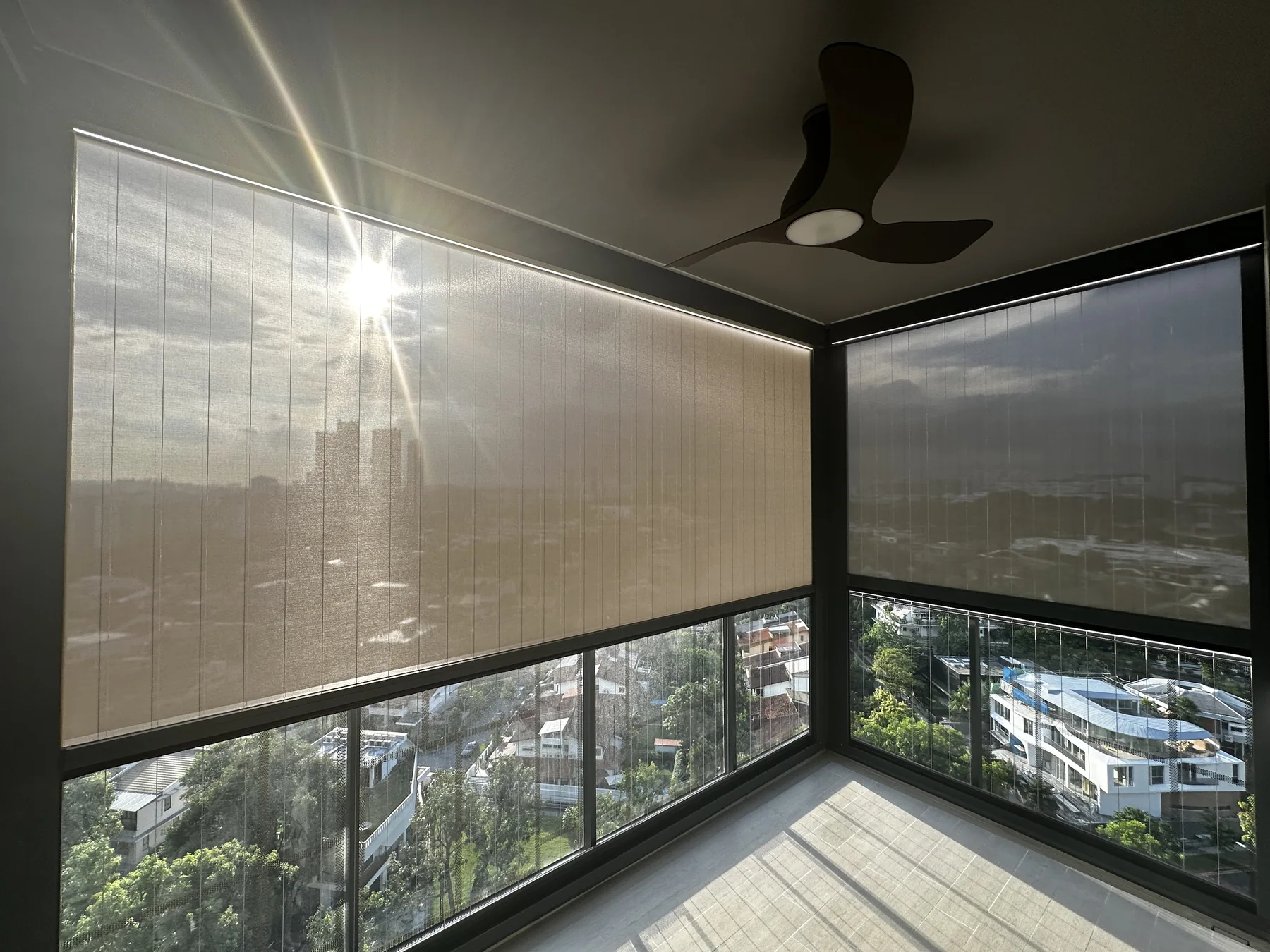
Start with sun direction and view
Observe when glare enters the balcony and decide whether retaining a view or gaining more privacy matters most. Open-weave fabric filters harsh daylight while allowing a daytime outlook; denser fabric gives stronger shade. Review samples in the real location.
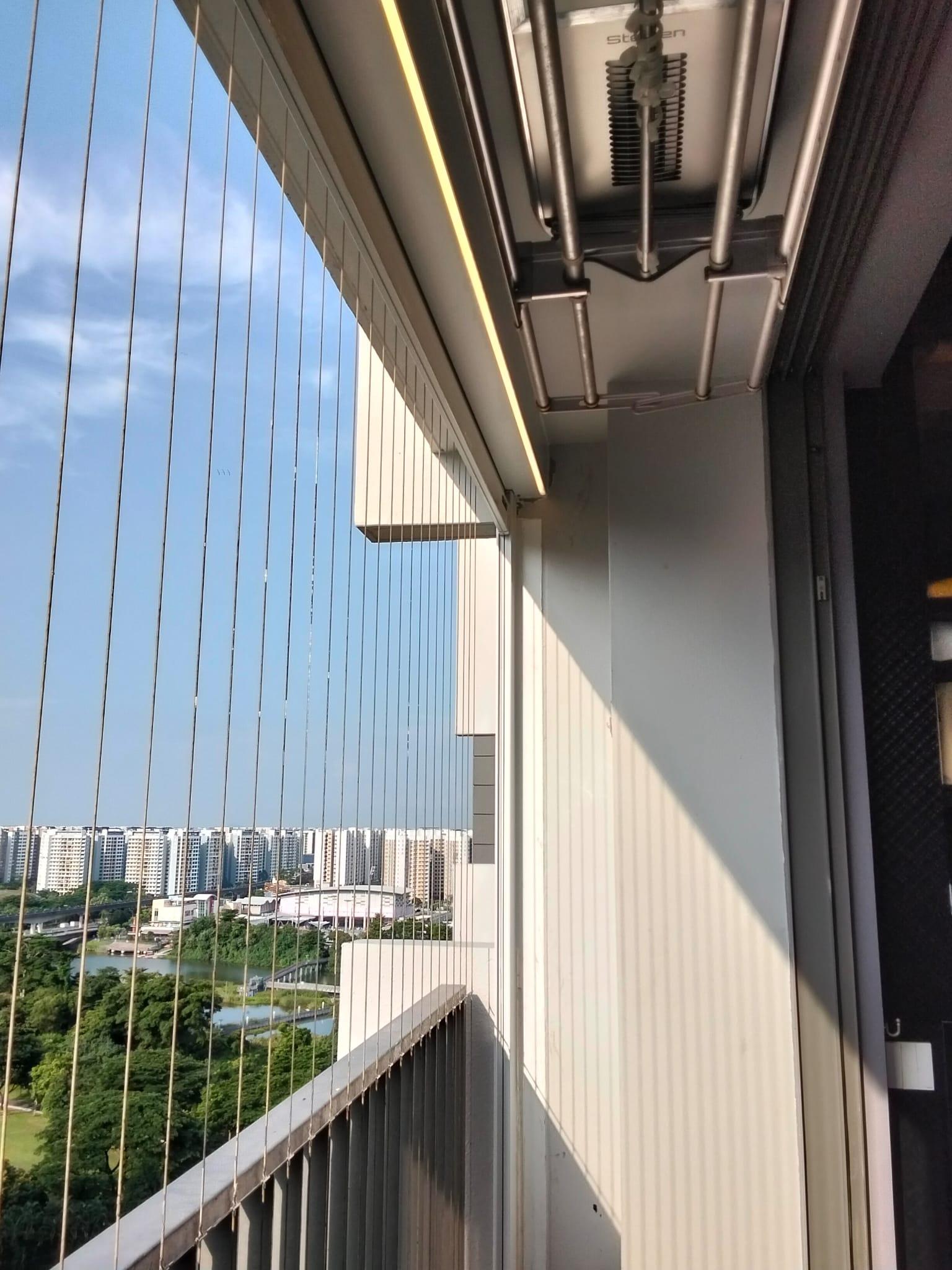
Check the opening and management rules
Measure the clear opening and note glass, handrails, columns, lights and drainage. Condo management may require approval for visible finishes, drilling and contractor access. A professional assessment should explain the mounting method and help prepare the required information.
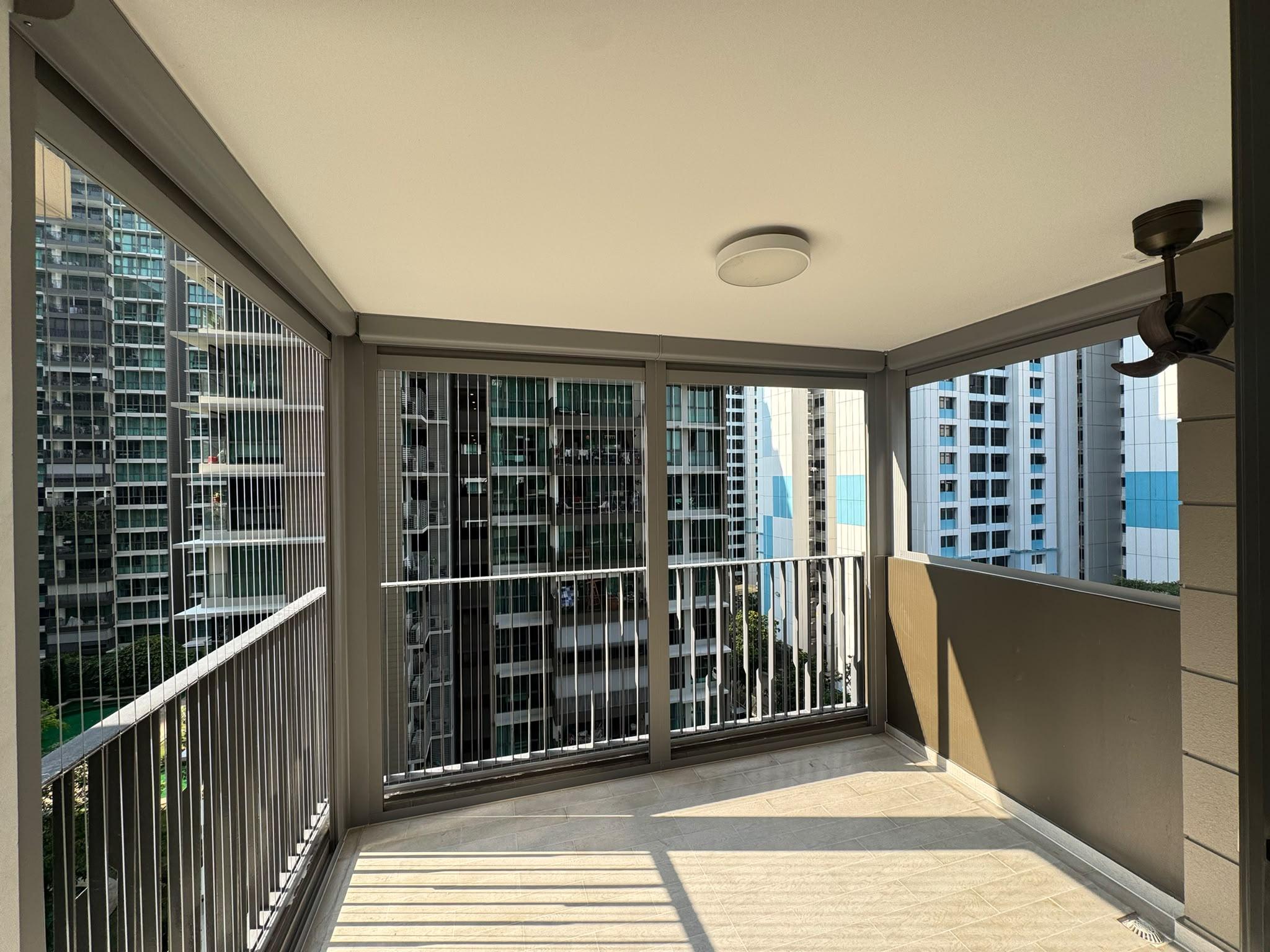
Choose operation and layout
Manual operation is suitable for compact openings; motorisation is convenient for wide or frequently used screens. Multiple panels may be more practical than one large blind, especially where different parts of the balcony receive sun at different times.
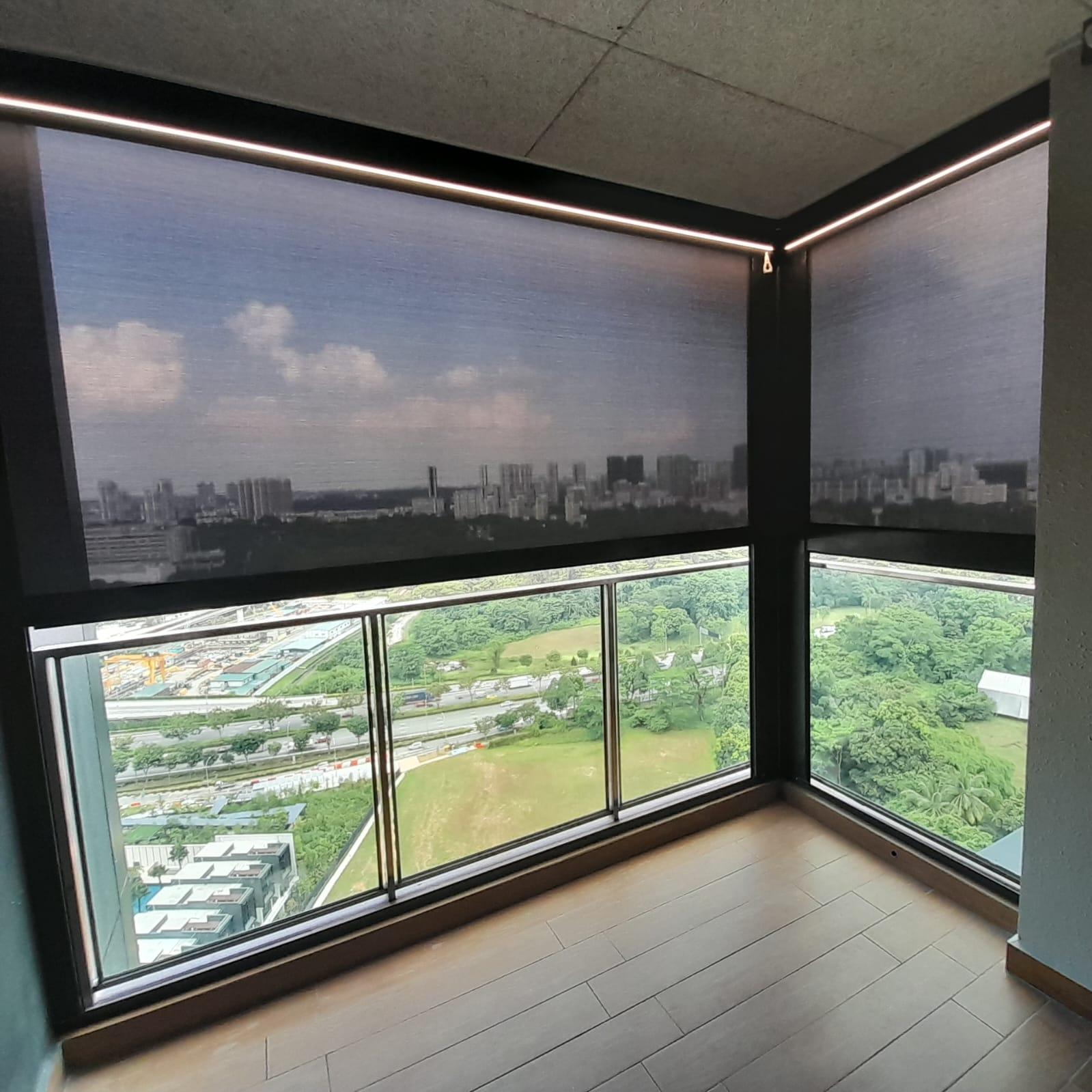
Care and flexibility
Keep the guides clear and avoid operating the blind against furniture or planters. Learn about large-opening Ziptrack systems and dual Zip Blinds with mesh if you need more flexibility.
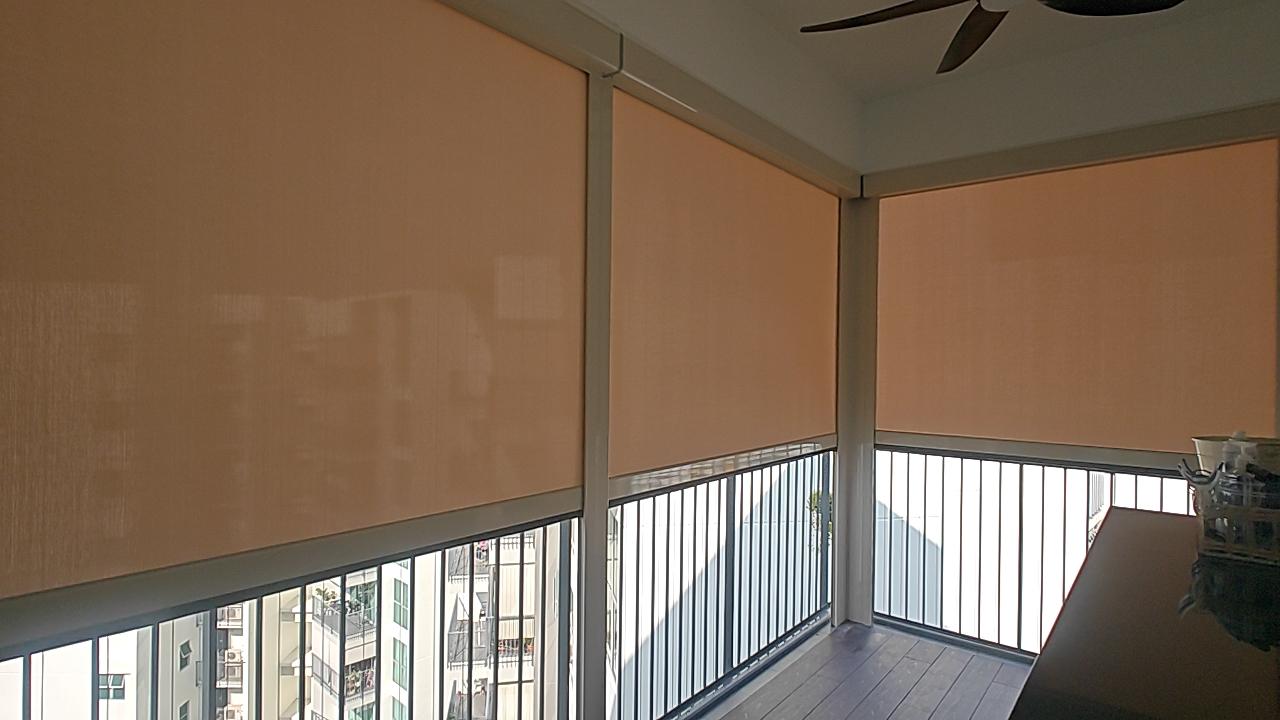
Send photos and approximate measurements to SmartZip for a tailored Condo Balcony Blinds recommendation.
How to Plan Condo Balcony Blinds Properly
Condo balcony blinds need to satisfy more than a preference for colour. The opening, level, wind exposure, management rules and daily habits all affect the final specification. A good plan starts with the problem you want to solve: harsh afternoon sun, rain splash, privacy, glare, heat or a combination of these.
Observe the balcony at different times of day before requesting a quotation. West-facing units usually need stronger solar control, while lower-floor apartments may prioritise privacy. If you enjoy the view, choose a fabric openness and colour that reduce glare without making the balcony feel enclosed.
Check MCST Requirements Before Confirming
Many condominiums control changes that affect the external appearance of the building. Ask the managing agent whether balcony screens require an application, approved colours, drawings, insurance documents or restrictions on drilling. Obtain written confirmation before production because custom-made blinds may not be refundable.
- Request the approved frame and fabric colours.
- Confirm permitted fixing points and working hours.
- Ask whether installers need contractor registration or a work permit.
- Check rules for electrical routing if motorisation is selected.
Choose Fabric, Tracks and Panel Layout Together
A zip-track system holds the fabric edges inside side channels, providing better stability than a free-hanging outdoor shade. However, performance still depends on accurate measurements, suitable fixings and realistic use during strong weather. Outdoor blinds are shading products, not permanent storm shutters or fully waterproof walls.
Large openings may be divided into two or more panels. More panels can improve serviceability and allow one section to operate independently, although additional tracks affect the view. Ask the supplier to show the proposed divisions on a drawing so you understand sightlines before approving the order.
Manual or Motorised Operation?
Manual operation suits smaller, frequently accessible openings. Motorised condo balcony blinds are useful for wider screens, high openings and households that want one-touch control. Discuss motor capacity, switch position, remote controls, power supply, cable concealment and manual override options. For automation, clarify how wind or rain sensors behave and whether the blind automatically retracts or lowers.
What Happens During Installation
A professional survey should check width, height, squareness, ceiling condition, drainage paths, access and nearby services. On installation day, protect floors and furniture, keep the working area clear and follow condominium working-hour rules. After fitting, the installer should demonstrate operation, limits, cleaning and safe weather practices.
Test every panel several times. Fabric should roll evenly, tracks should remain aligned and the bottom bar should stop at the correct position. Ask for warranty coverage in writing, including separate terms for fabric, motor, controls and workmanship.
Care and Quotation Checklist
Clean loose dust with a soft brush and use mild soap and water when needed. Avoid harsh chemicals and never force a screen that is obstructed. Let wet fabric dry before leaving it rolled up for long periods. Arrange inspection if you notice fraying, unusual motor noise, uneven movement or a bottom bar that no longer sits level.
When comparing quotations, look beyond the headline price. Compare dimensions, fabric series, track system, panel divisions, motor brand, controls, electrical work, access equipment, warranty and after-sales support. A detailed quotation makes it easier to compare like for like and reduces surprises during installation.
Questions to Ask at the Site Survey
Ask who will take final responsibility for measurements, approvals and electrical coordination. Confirm lead time, installation duration and the procedure if site conditions differ from the first estimate. Clear responsibilities help the project move from quotation to completion without avoidable delays.