Open Daily (Including PH) 10am - 7pm
33 Ubi Ave 3, #01-30 Vertex, S408868
HDB Balcony Blinds: A Practical Guide for Singapore Homes

HDB Balcony Blinds: A Practical Guide for Singapore Homes
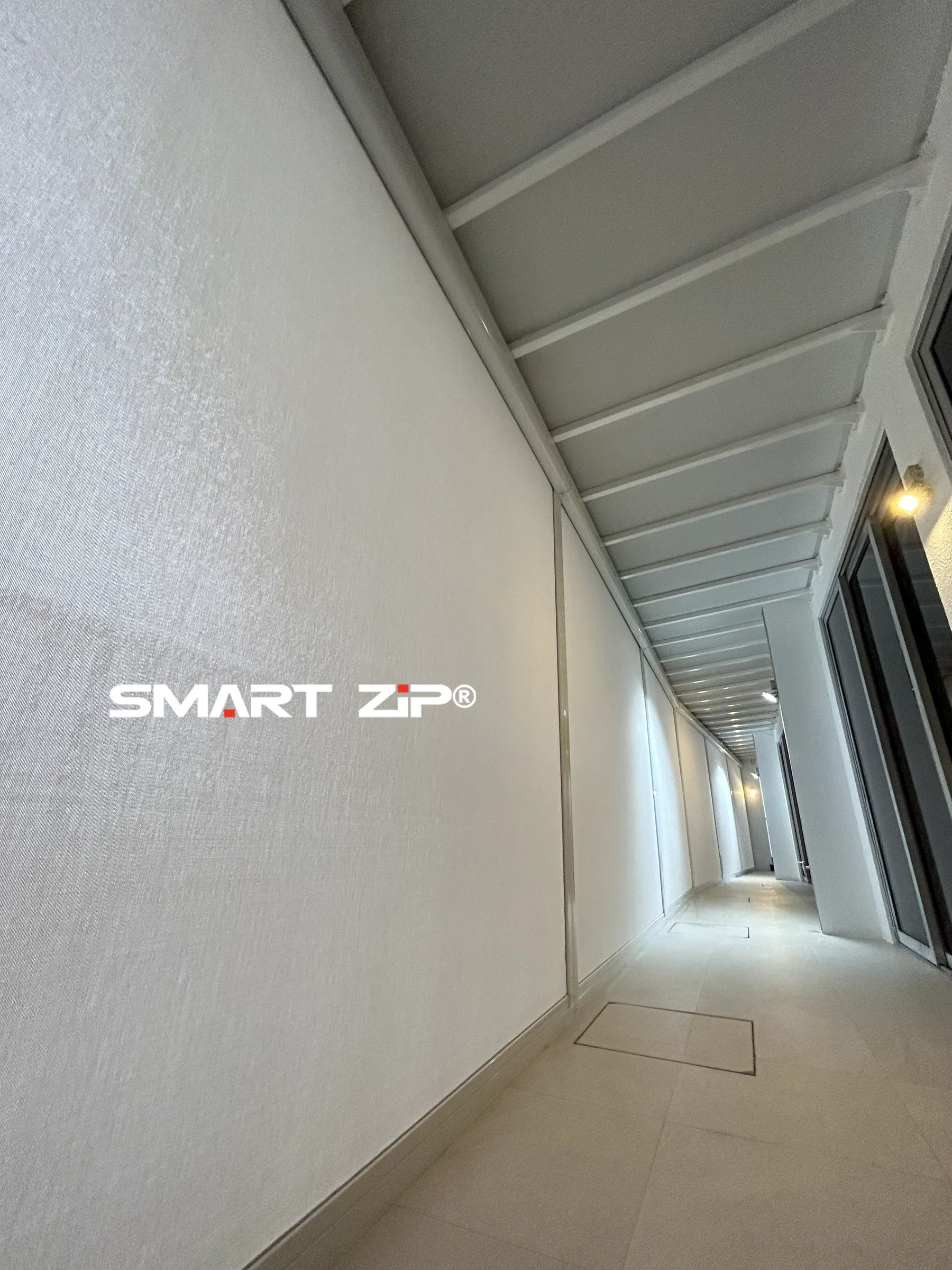
HDB Balcony Blinds can make an exposed service yard or balcony more comfortable while keeping the space practical for everyday living. The right screen helps reduce glare, soften heat and manage light rain without permanently closing off the opening.
Assess the balcony before choosing blinds
Measure the usable opening and note window grilles, ledges, drying racks, pipes, lights and access routes. These details influence where tracks and the headbox can be mounted. Think about whether shade, privacy, view retention or rain protection is your main priority.
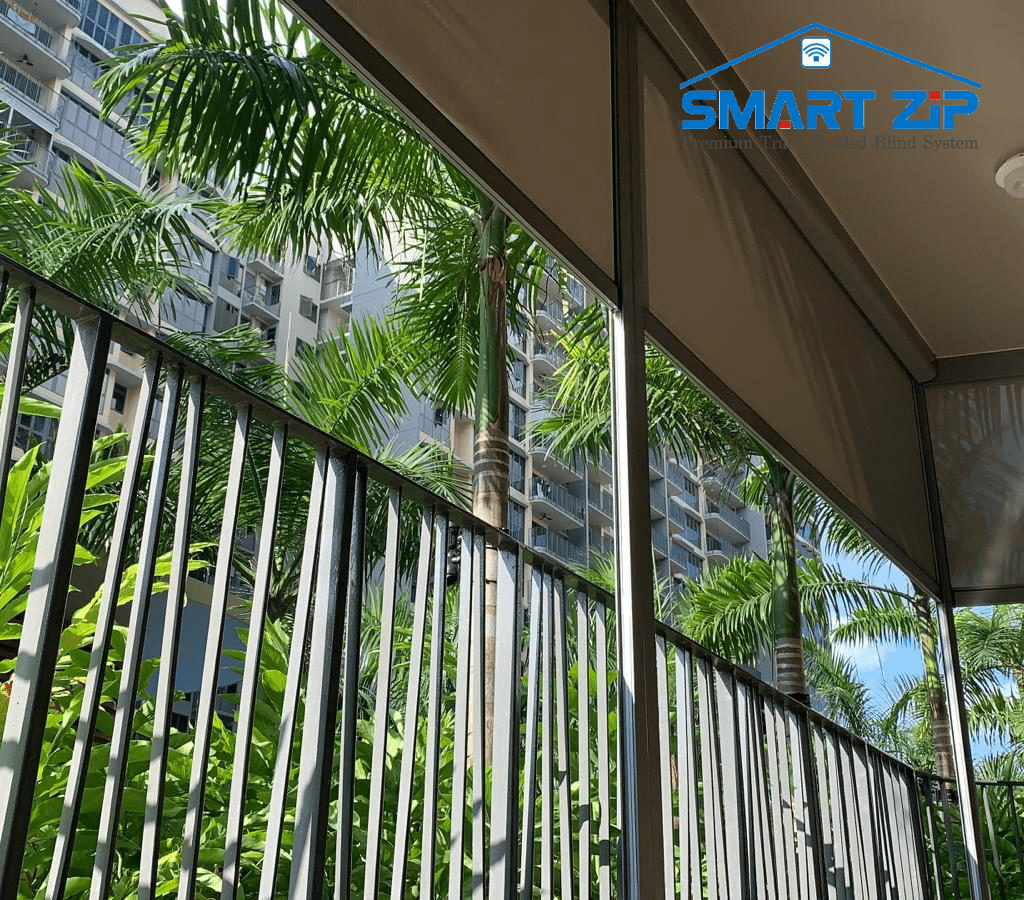
Fabric and operation
Open-weave fabric reduces glare while keeping a view; denser options improve privacy. Manual operation is suitable for many compact openings, while motorisation can be convenient for a wide or frequently used balcony. Check fabric samples at the actual opening before deciding.

Installation and approvals
Use a professional site assessment to confirm safe mounting, track alignment and building requirements. Clear furniture on installation day and test the full travel at handover. Keep tracks free of debris and do not force the screen if it is obstructed.
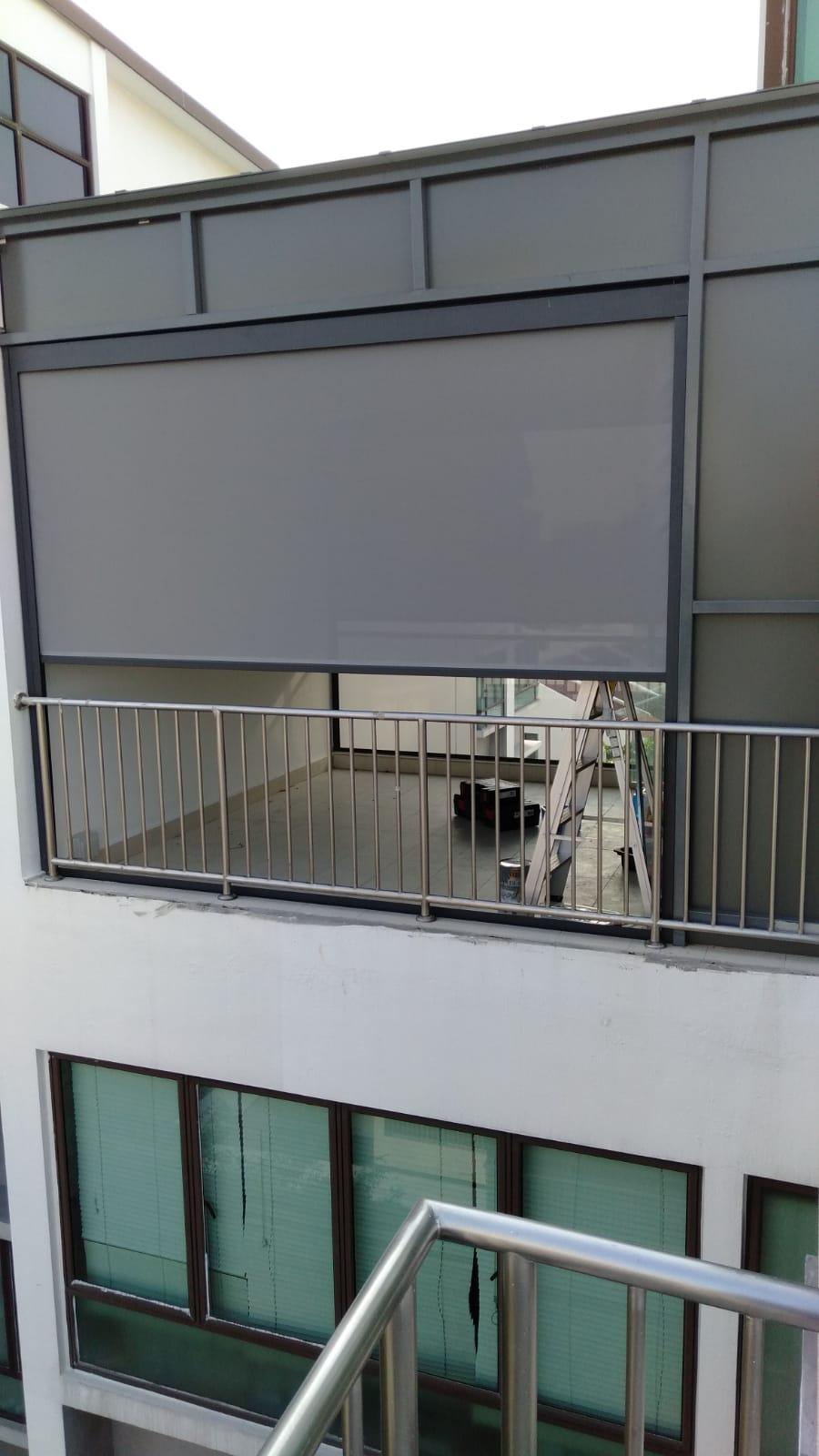
Plan the right configuration
For larger openings, see Higher View Ziptrack solutions. If insects are a concern, compare dual Zip Blinds with mesh.

For tailored advice, send balcony photos and dimensions to SmartZip.
What to check in an HDB balcony or service yard
HDB layouts vary, so begin with the actual opening. Note sliding windows, grilles, laundry racks, pipes, lights, drainage points and air-conditioning equipment. The blind must not block required access or interfere with windows and doors. A site assessment should identify secure fixing surfaces and confirm how the screen will travel.
Sun direction affects the fabric choice. West-facing openings often need stronger afternoon glare control, while a service yard may prioritise rain management and ventilation. An open-weave screen retains more airflow and visibility; a denser fabric gives more shade and privacy.
Check renovation and façade requirements
Before ordering, confirm current HDB and town-council rules and any conditions that apply to the external appearance. Requirements can depend on the block, location and type of work. Do not assume that another unit’s installation proves approval. Ask the installer to explain the mounting method and provide product details if documentation is required.
Manual or motorised operation?
A manual blind can suit a compact, accessible opening. Motorisation is helpful where the blind is wide, positioned behind furniture or adjusted several times a day. Plan the power route and control position early. If several panels are installed, decide whether they need separate controls or a grouped command.
- Measure the clear opening, not only the wall width.
- Keep access to windows, grilles and drying racks.
- Choose fabric based on sun, privacy and airflow.
- Confirm building requirements before production.
- Ask for cleaning and severe-weather guidance.
Planning panel divisions
One large panel is not always more practical. Separate blinds can keep a doorway clear, allow laundry to remain accessible and provide shade only where needed. Columns or changes in ceiling level may create natural division points. Each panel should be labelled on the quotation so the measured sizes and controls are clear.
Installation and handover
Clear furniture and household items before the installers arrive. At handover, operate every blind fully and check that the bottom bar sits level. Ask how to clean the fabric, clear the tracks and respond if the blind encounters an obstruction. Keep the warranty and service contact details.
Maintaining an HDB balcony blind
Brush away grit and leaves, especially after windy weather. Use gentle cleaning methods and avoid forcing the screen. If the blind becomes noisy, uneven or difficult to operate, arrange an inspection before the fabric or track is damaged. For site-specific advice, contact SmartZip with photographs and approximate dimensions.
Balancing ventilation, privacy and rain protection
These priorities can conflict. A more open fabric supports airflow and an outward view, while a denser fabric can make the space feel more private. Rain performance also depends on wind direction and the surrounding structure; an outdoor blind is not a sealed wall. Discuss the most important use case instead of expecting one fabric to maximise every benefit.
Budget and quotation details
Compare quotations using the measured panel sizes, fabric range, track finish, operating system and installation scope. For motorised blinds, check whether the motor, remote, wiring and electrical work are included. Ask about warranty coverage and local servicing. Custom production should begin only after the layout, colours and controls are confirmed.
Before approving production
Review the final drawing or written panel layout with the installer. Confirm the opening direction of nearby doors and windows and make sure controls remain reachable after furniture is returned. Photograph the completed installation and keep the measured dimensions; these records can simplify future servicing, replacement fabric or renovation planning for the household.