Open Daily (Including PH) 10am - 7pm
33 Ubi Ave 3, #01-30 Vertex, S408868
Motorised Zip Blinds Singapore: Everyday Convenience for Outdoor Spaces

Motorised Zip Blinds Singapore: Everyday Convenience for Outdoor Spaces
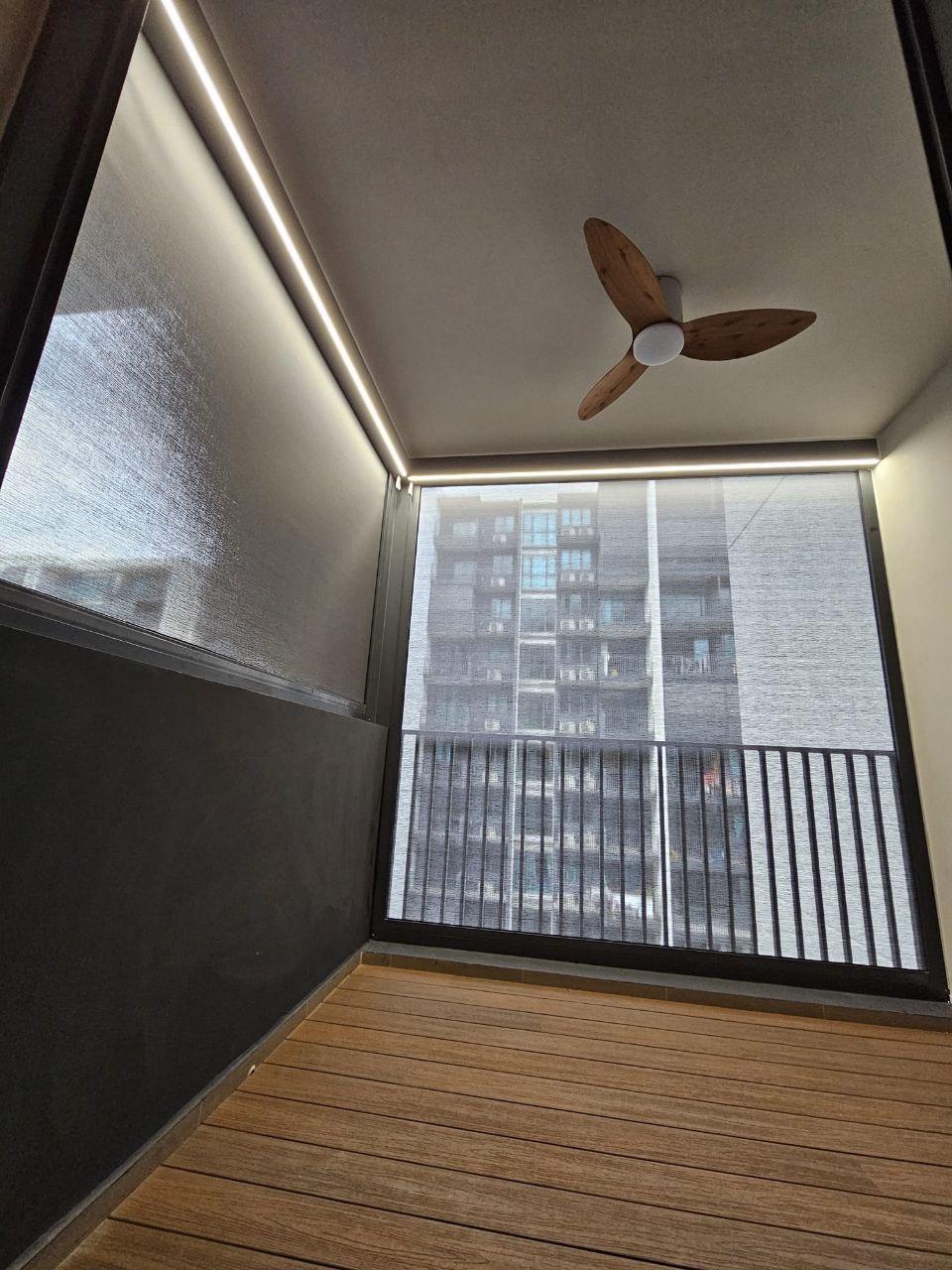
Motorised Zip Blinds Singapore homeowners use make balcony shading easier to adjust in response to glare, heat and rain. A motor moves the zip-guided screen with a remote or wall control, while secure tracks keep the fabric controlled at the opening.

Plan controls and power early
A suitable control should be easy for the household to use. Plan power access and cable routing before installation so the motor, tracks and headbox can be integrated cleanly. Wider or high openings are often the best candidates for motorisation because daily adjustment remains effortless.

Choose the screen for your balcony
Fabric controls view, privacy and shade. Open-weave options reduce glare while retaining daylight views; denser fabrics provide more privacy. Review fabric at the actual opening and check handrails, ceiling beams and obstacles before finalising the layout.

Use and maintenance
Keep the tracks free of grit, do not force operation against an obstruction, and follow product guidance in severe weather. If movement becomes uneven or noisy, arrange professional servicing.

Consider your opening size
For substantial openings, review Higher View Ziptrack solutions. If you need shade and insect protection, see dual Zip Blinds with mesh.
Share photos and measurements with SmartZip for a tailored recommendation.
How Motorised Zip Blinds Singapore Systems Work
Motorised zip blinds use a tubular motor inside the roller tube to raise or lower the fabric. The fabric edges remain guided in side tracks, helping the screen stay aligned across the opening. The result is convenient solar control for balconies, patios, terraces and wide indoor-outdoor areas.
The motor is only one part of the system. Reliable operation also depends on correct tube size, track alignment, fabric tension, mounting strength and programmed upper and lower limits. For wide or exposed openings, the installer should specify the complete system according to the measured span and site conditions.
Choose the Right Control Method
Homeowners can select wall switches, handheld remotes, multi-channel controls or compatible smart-home integrations. A simple wall switch is easy for guests and family members to understand. A remote is useful when several blinds are installed, while grouped control can move multiple screens together.
- Ask how many blinds each channel can control.
- Confirm whether each blind can still operate independently.
- Check remote battery type and replacement procedure.
- Clarify app, hub and internet requirements for smart control.
Automation should make everyday use simpler. Timers can reduce afternoon heat before you return home, while compatible sensors may respond to changing weather. Sensors are an aid rather than permission to leave blinds unattended in all conditions. Follow the supplier’s recommended wind and rain practices.
Power Supply and Cable Planning
Discuss power early, ideally before renovation work is completed. The electrician and blind installer should agree on supply location, isolation, cable route and connection responsibility. Concealed wiring usually looks neater, but access must remain available for servicing. Existing homes may use surface trunking where concealed routes are impractical.
Never assume every motor uses the same voltage or wiring arrangement. Obtain the selected motor’s requirements and let qualified personnel handle permanent electrical connections. If battery or solar options are proposed, ask about charging frequency, expected battery life and suitability for the opening size.
Measurement, Motor Sizing and Installation
A site survey should record the finished opening, mounting surfaces, level differences, obstructions, ceiling depth and access. The motor must be matched to the blind’s weight and dimensions, with suitable capacity for smooth starts and stops. Oversized claims are not a substitute for engineering the complete assembly.
During installation, technicians mount the brackets or headbox, align the tracks, connect power and set travel limits. They should test the blind repeatedly and demonstrate normal control, emergency procedures and basic troubleshooting. Keep furniture, plants and loose objects away from the travel path.
Safe Daily Operation
Before moving the blind, check that children, pets and objects are clear. Stop operation if the fabric travels unevenly, the motor strains, or the bottom bar meets an obstruction. Do not repeatedly press controls when the motor has stopped because of thermal protection; allow it to cool and seek advice if the issue returns.
Outdoor zip blinds reduce sun, glare and light rain exposure, but they are not structural storm barriers. Retract them when conditions exceed the manufacturer’s guidance. A wind sensor can improve convenience, yet correct settings, maintenance and responsible use remain important.
Maintenance and Questions for Your Supplier
Brush dust from tracks, remove small debris and clean fabric with products approved by the supplier. Do not oil tracks unless instructed, because unsuitable lubricants attract dirt. Schedule service when you hear unusual noise, notice slower movement or see fabric leaving the guide.
Before ordering, ask about motor brand, warranty, replacement availability, control compatibility, electrical scope, lead time and after-sales response. Also request a clear drawing showing each panel, track and power point. These details help buyers compare motorised zip blinds Singapore quotations based on long-term usability rather than price alone.